Bitter kola
Garcinia kola
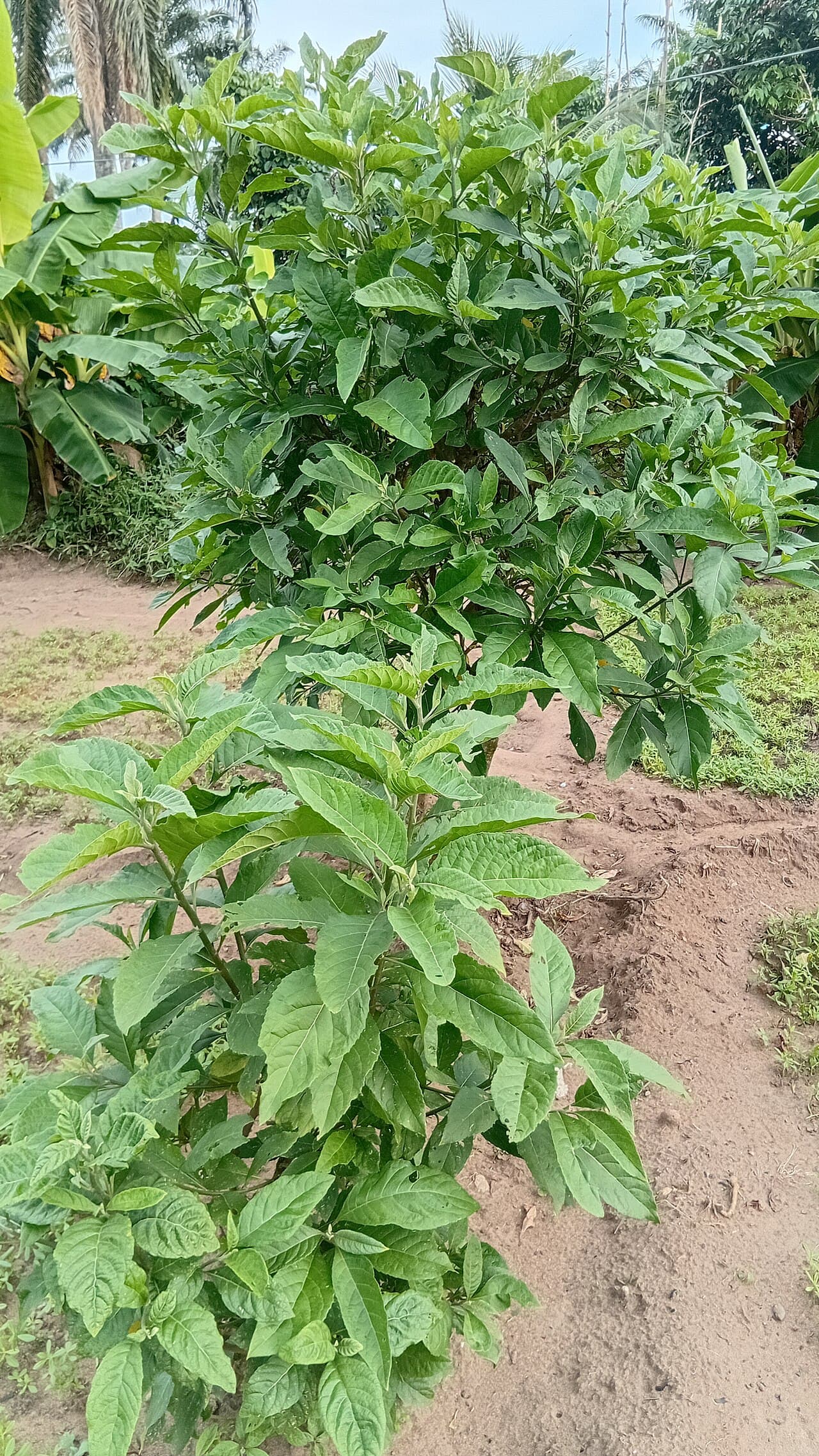
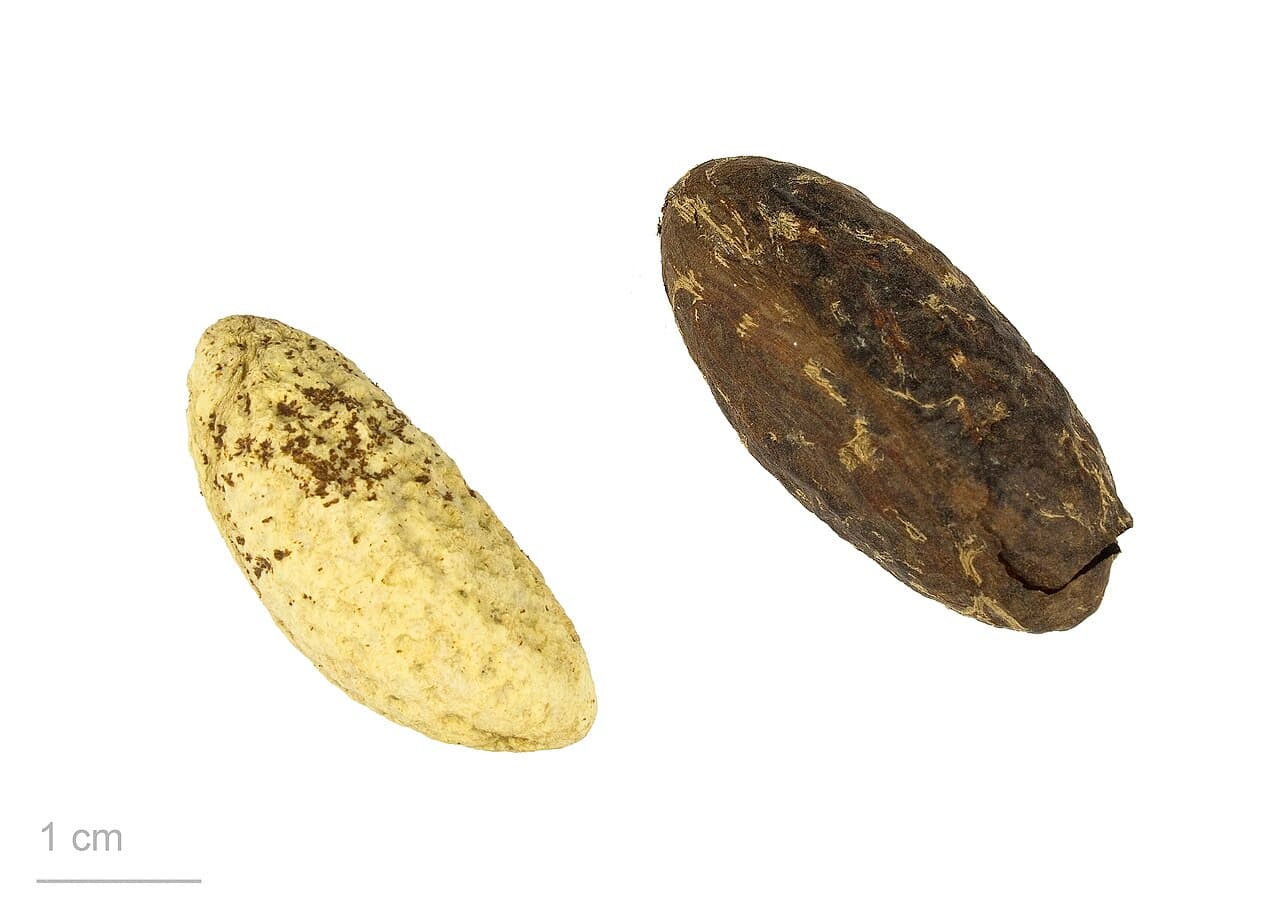
A medium-sized evergreen tree native to the rainforests of West and Central Africa. The seeds ('bitter kola nuts') are widely chewed across Nigeria, both traditionally and for their reputed stimulant effect, and hold cultural significance as a ceremonial offering at events like weddings.
- Category
- Medicinal
- Found in
- West and Central AfricaPOWO
- Data sources
- Published literature
Local names
Known in 4 languages
Say it in
Yoruba · West Africa
Orogbo
West Africa
Spot a wrong name, or know another one?Tell us here ↗
Traditional & Common Uses
Important medical disclaimer
The information below is for educational reference only. It does not constitute medical advice. Always consult a qualified healthcare provider.
- General
Seeds chewed to relieve coughs, hoarseness, and bronchitis.
[1] Indabawa, I., & Arzai, A. (2011). Antibacterial activity of Garcinia kola and Cola nitida seed extracts. Bayero Journal of Pure and Applied Sciences, 4(1), 52–55.
- General
Bark and seed extracts used for their broad antimicrobial effects.
[2] Okunji, C.O., Ware, T.A., Hicks, R.P., & Iwu, M.M. (2012). Antimicrobial activity of Garcinia kola biflavonones. Planta Medica, 68(5), 440–444.
- General
Root and seed extracts used to protect the liver; shown to reduce chemically-induced liver damage in rats.
[3] Wegwu, M.O. et al. (2000). Kolaviron and liver protection studies, cited in Tauchen et al. (2023), Phytochemistry Reviews, 22(5), 1305–1351.
- General
Bark decoctions used as an aphrodisiac and to treat sterility; seed extracts shown to raise testosterone levels in male rats.
[4] Sewani-Rusike, C.R., Ralebona, N., & Nkeh-Chungag, B.N. (2016). Andrologia, 48(3), 300–307.
- General
Seeds and bark consumed for stomach pains and dysentery; shown to inhibit gastric acid secretion and protect against ulcer formation in animal studies.
[5] Ibironke, G.F., Olaleye, S.B., Balogun, O., & Aremu, A. (1997). Phytotherapy Research, 11(4), 312–313.
Known Phytochemicals
Cautions & Contraindications
- lowMinimal risk under normal conditions
- low
Generally considered safe with traditional use, with no significant toxicity shown in animal or in vitro studies; however, high doses or prolonged consumption may be linked to fertility issues.
[8] Tauchen, J. et al. (2023). Garcinia kola: a critical review on chemistry and pharmacology of an important West African medicinal plant. Phytochemistry Reviews, 22(5), 1305–1351.
Sources & Citations
- 1Indabawa, I., & Arzai, A. (2011). Antibacterial activity of Garcinia kola and Cola nitida seed extracts. Bayero Journal of Pure and Applied Sciences, 4(1), 52–55.
- 2Okunji, C.O., Ware, T.A., Hicks, R.P., & Iwu, M.M. (2012). Antimicrobial activity of Garcinia kola biflavonones. Planta Medica, 68(5), 440–444.
- 3Wegwu, M.O. et al. (2000). Kolaviron and liver protection studies, cited in Tauchen et al. (2023), Phytochemistry Reviews, 22(5), 1305–1351.
- 4Sewani-Rusike, C.R., Ralebona, N., & Nkeh-Chungag, B.N. (2016). Andrologia, 48(3), 300–307.
- 5Ibironke, G.F., Olaleye, S.B., Balogun, O., & Aremu, A. (1997). Phytotherapy Research, 11(4), 312–313.
- 6Tauchen, J. et al. (2023). Phytochemistry Reviews, 22(5), 1305–1351.
- 7Tauchen, J. et al. (2023). Phytochemistry Reviews, 22(5), 1305–1351 (citing Hussain et al., 1982).
- 8Tauchen, J. et al. (2023). Garcinia kola: a critical review on chemistry and pharmacology of an important West African medicinal plant. Phytochemistry Reviews, 22(5), 1305–1351.