NMPPDB
Nigerian Medicinal Plants and Phytochemicals Database
Nigeria's own medicinal plant database, with local names, species records and references to Nigerian ethnobotanical studies.
nmppdb.com.ng ↗PlantLens brings together database records and published ethnobotanical research.
Nigerian Medicinal Plants and Phytochemicals Database
Nigeria's own medicinal plant database, with local names, species records and references to Nigerian ethnobotanical studies.
nmppdb.com.ng ↗Phytochemical and Ethnobotanical Databases (USDA)
James A. Duke's long-running USDA database of plant chemicals, their biological activities and recorded traditional uses. Released under CC0.
phytochem.nal.usda.gov ↗Peer-reviewed journals and published research
Published studies provide evidence for traditional uses and phytochemical findings that are not covered by the databases.
Royal Botanic Gardens, Kew
Kew's record of where each species grows, native or naturalised. It decides which parts of Africa a plant is listed in.
powo.science.kew.org ↗NMPPDB, Wikidata and regional plant references
Nigerian names come from NMPPDB. Names in Swahili, Akan (Twi), Fula and other languages start from leads such as Wikidata and are only added once confirmed in references such as PROTA4U, the World Agroforestry Agroforestree Database, Burkill's Useful Plants of West Tropical Africa and the Akan (Twi) Dictionary.
A script matches each plant to Dr. Duke's database by genus and species, then extracts every recorded phytochemical and traditional use.
Yoruba, Igbo and Hausa names and Nigerian uses are checked against NMPPDB. Names in other African languages start from leads such as Wikidata and are only added once confirmed in a published reference. Where each plant grows comes from Kew's Plants of the World Online.
The raw rows are narrowed down to the compounds and uses worth including, and rewritten in plain language.
Each use, compound and caution keeps its source citation. Wording stays descriptive: “traditionally used for”, never a medical claim.
Plant photos come from Wikimedia Commons and iNaturalist, used under their Creative Commons or public domain licences.
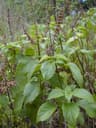 Scent leaf
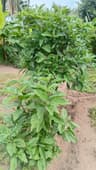 Bitter leaf
Photo by Daniel Paullll · CC BY-SA 4.0
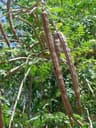 Moringa
 Neem
Photo by Dinesh Valke from Thane, India · CC BY-SA 2.0
 Bitter kola
Photo by Roger Culos · CC BY-SA 3.0
 Kola nut
 Uziza
Photo by Samsule2 · CC BY-SA 4.0
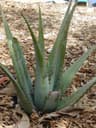 Aloe vera
 Roselle (Zobo)
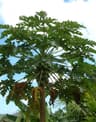 Pawpaw
Photo by Esskay · CC BY-SA 3.0
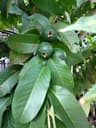 Guava
 Mango
Photo by Chris.urs-o - Maria Marinho · CC BY-SA 3.0
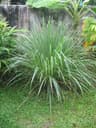 Lemongrass
 Soursop
Photo by Judgefloro · CC BY-SA 4.0
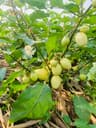 Garden egg
 Cashew
Photo by ସୁରଥ କୁମାର ପାଢ଼ୀ · CC BY-SA 3.0
 Ugwu (fluted pumpkin)
Photo by Dorcas Atule · CC BY-SA 4.0
 Bitter melon
Photo by Thamizhpparithi Maari · CC BY-SA 4.0
 Turmeric
Photo by Simon A. Eugster · CC BY-SA 3.0
 Ginger