Moringa
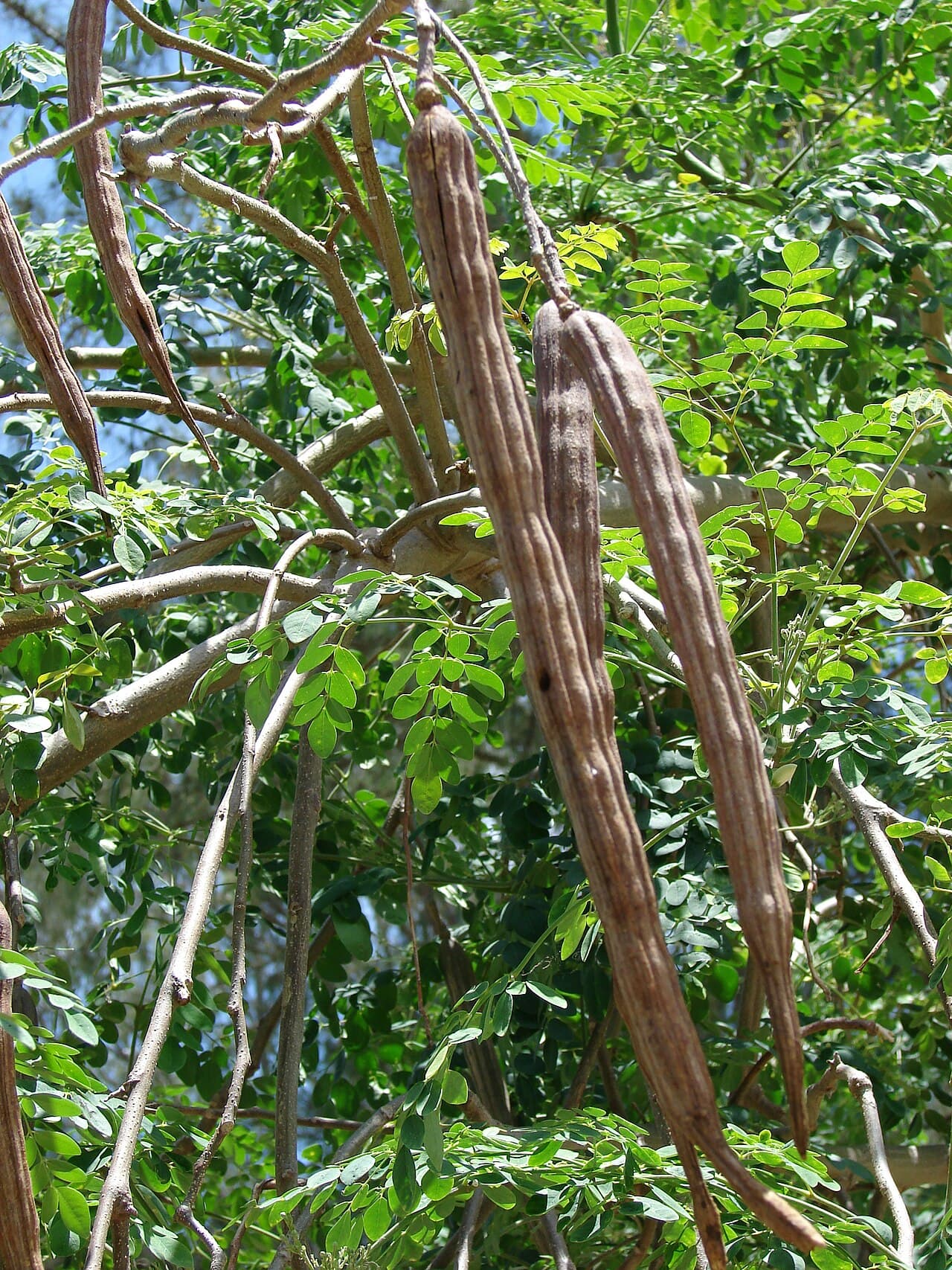
Moringa oleifera
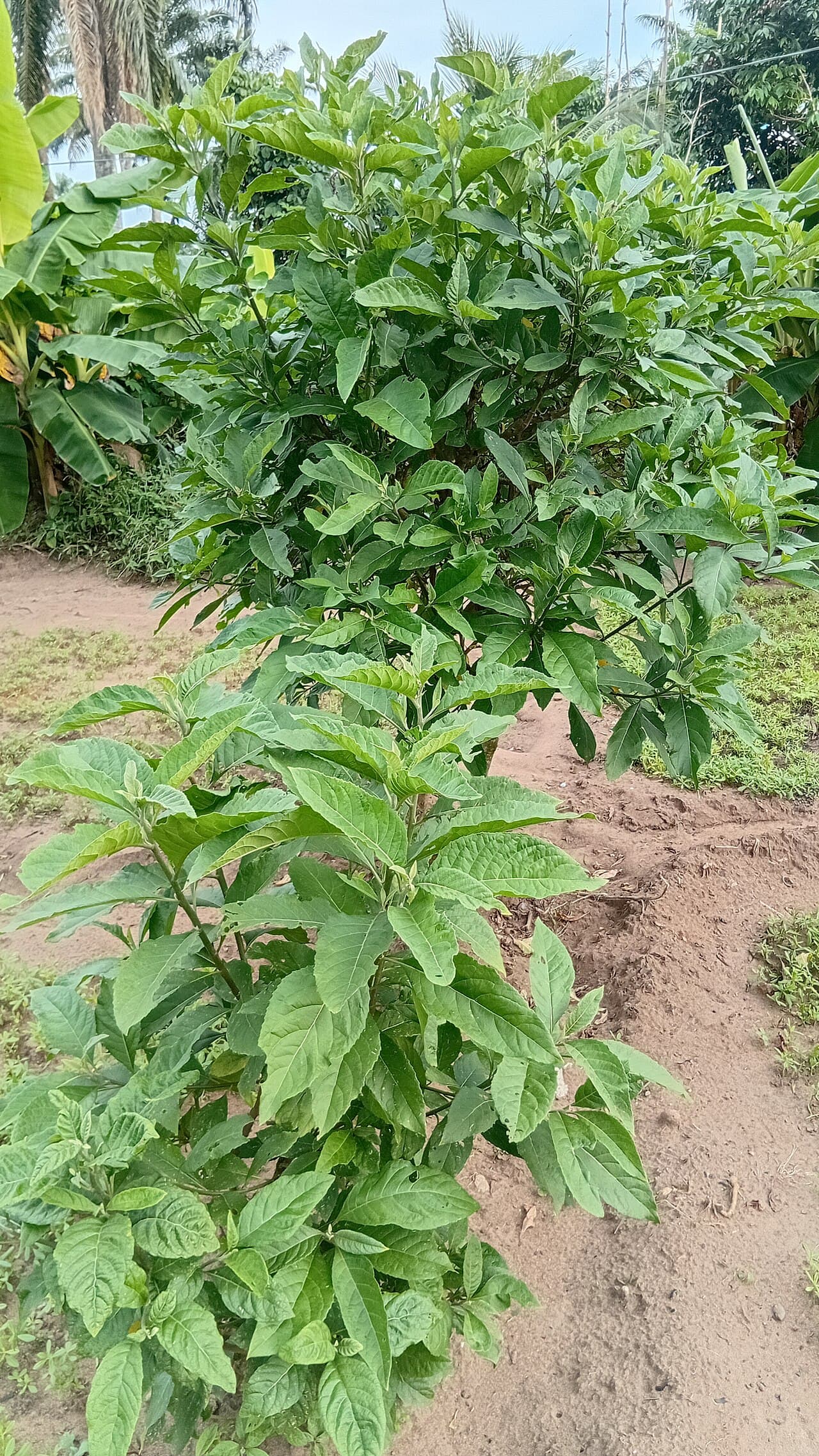
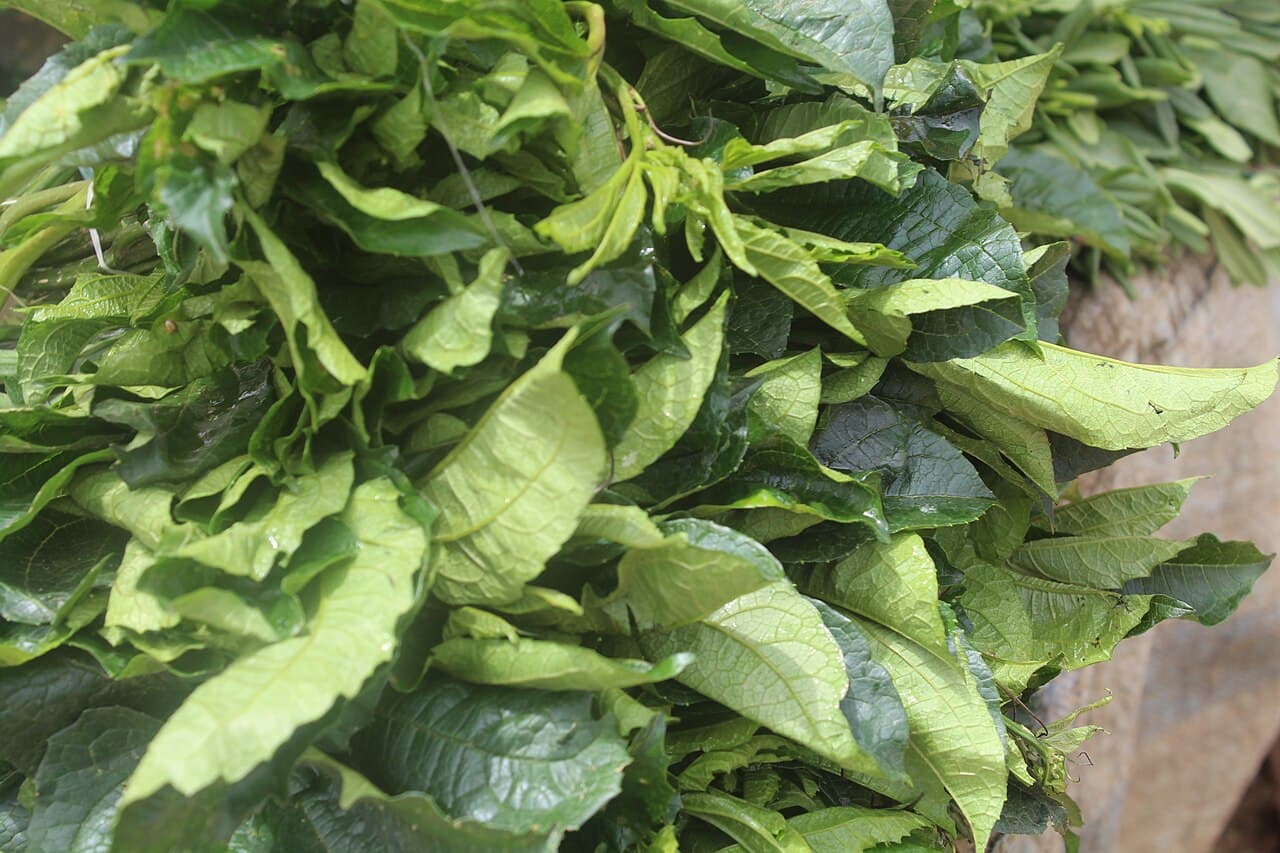
A fast-growing tree native to northern India and now widely grown across Nigeria, from the northern savanna to Lagos. The leaves are eaten as a vegetable and dried into powder as a supplement; the seeds are pressed for ben oil and, ground into powder, used to clear cloudy water in some rural communities.
- Categories
- Medicinal, Leafy Vegetable
- Found in
- West, Central, East and North AfricaPOWO
- Data sources
- NMPPDB, Dr. Duke's, other literature
Local names
Known in 4 languages across 2 regions
Say it in
Yoruba · West Africa
Ewe ile
also Ewe igbale
West Africa
East Africa
Spot a wrong name, or know another one?Tell us here ↗
Traditional & Common Uses
Important medical disclaimer
The information below is for educational reference only. It does not constitute medical advice. Always consult a qualified healthcare provider.
- General
Leaves eaten as a vegetable to help combat malnutrition, including in Hausa and Yoruba diets.
[1] Odugbemi, T. (2008), as cited via NMPPDB (nmppdb.com.ng)
- General
Leaf and seed pastes used on skin infections and wounds; decoctions used for dysentery.
[2] Neuwinger, H.D. (2000). African Traditional Medicine: A Dictionary of Plant Use and Applications. Medpharm Scientific Publishers.
- General
Leaf and root extracts used for arthritis, headaches, and fever.
[3] Burkill, H.M. (1985). The Useful Plants of West Tropical Africa. Royal Botanic Gardens, Kew, as cited via NMPPDB (nmppdb.com.ng)
- General
Leaves used to boost breast-milk supply; roots used as a contraceptive in some cultures.
[2] Neuwinger, H.D. (2000). African Traditional Medicine: A Dictionary of Plant Use and Applications. Medpharm Scientific Publishers.
- General
Leaf infusions traditionally taken to help manage blood sugar and blood pressure; leaf powder has been tested in a randomized clinical trial in adults with type 2 diabetes (effects on blood glucose, blood pressure, and cholesterol).
[4] Mathieu, G., & Meissa, D. (2007). African Journal of Traditional, Complementary and Alternative Medicines, 4(4), 469–475 (traditional use, Senegal); Afiaenyi, I.C., Owolabi, O.J., & Akpan, E.E. (2023). Journal of Ethnopharmacology, 308, 116283 (clinical trial) — both as cited via NMPPDB
- Egypt
Used in Egypt to treat burns.
[5] Hartwell, J.L. (1967–71). Plants Used Against Cancer: A Survey. Lloydia 30–34 — via Duke's Ethnobotanical Database
Known Phytochemicals
Cautions & Contraindications
- highSignificant risk documented in literature
- moderatePotential risk; caution advised
- lowMinimal risk under normal conditions
- high
The root and bark contain alkaloids (such as moringinine) that may cause low blood pressure or neurological effects at high doses; they are not recommended for consumption.
[2] Neuwinger, H.D. (2000). African Traditional Medicine: A Dictionary of Plant Use and Applications. Medpharm Scientific Publishers.
- high
Root extracts may have abortifacient effects; use is contraindicated in pregnancy.
[8] Fahey, J.W. (2005). Moringa oleifera: A review of the medical evidence for its nutritional, therapeutic, and prophylactic properties. Part 1. Trees for Life Journal, 1, 5.
- moderate
Leaf extract has been shown in lab studies to inhibit CYP3A4, a liver enzyme that processes many medicines, so it could interact with some drugs; check with a doctor or pharmacist if you take regular medication.
[7] Monera, T.G., Wolfe, A.R., Maponga, C.C., Benet, L.Z., & Guglielmo, J. (2008). Journal of Infection in Developing Countries, 2(5), 379–383.
- low
Leaf powder at around 6 g/day is reported as safe for most adults; medical advice is recommended for prolonged use or alongside medication.
[9] Anwar, F., Latif, S., Ashraf, M., & Gilani, A.H. (2007). Moringa oleifera: A food plant with multiple medicinal uses. Phytotherapy Research, 21(1), 17–25.
Sources & Citations
- 1Odugbemi, T. (2008), as cited via NMPPDB (nmppdb.com.ng)
- 2Neuwinger, H.D. (2000). African Traditional Medicine: A Dictionary of Plant Use and Applications. Medpharm Scientific Publishers.
- 3Burkill, H.M. (1985). The Useful Plants of West Tropical Africa. Royal Botanic Gardens, Kew, as cited via NMPPDB (nmppdb.com.ng)
- 4Mathieu, G., & Meissa, D. (2007). African Journal of Traditional, Complementary and Alternative Medicines, 4(4), 469–475 (traditional use, Senegal); Afiaenyi, I.C., Owolabi, O.J., & Akpan, E.E. (2023). Journal of Ethnopharmacology, 308, 116283 (clinical trial) — both as cited via NMPPDB
- 5Hartwell, J.L. (1967–71). Plants Used Against Cancer: A Survey. Lloydia 30–34 — via Duke's Ethnobotanical Database
- 6Anwar, F., Latif, S., Ashraf, M., & Gilani, A.H. (2007). Moringa oleifera: A food plant with multiple medicinal uses. Phytotherapy Research, 21(1), 17–25. (as cited via NMPPDB)
- 7Monera, T.G., Wolfe, A.R., Maponga, C.C., Benet, L.Z., & Guglielmo, J. (2008). Journal of Infection in Developing Countries, 2(5), 379–383.
- 8Fahey, J.W. (2005). Moringa oleifera: A review of the medical evidence for its nutritional, therapeutic, and prophylactic properties. Part 1. Trees for Life Journal, 1, 5.
- 9Anwar, F., Latif, S., Ashraf, M., & Gilani, A.H. (2007). Moringa oleifera: A food plant with multiple medicinal uses. Phytotherapy Research, 21(1), 17–25.
- 10Bosch (2004), PROTA4U (Plant Resources of Tropical Africa): Moringa oleifera