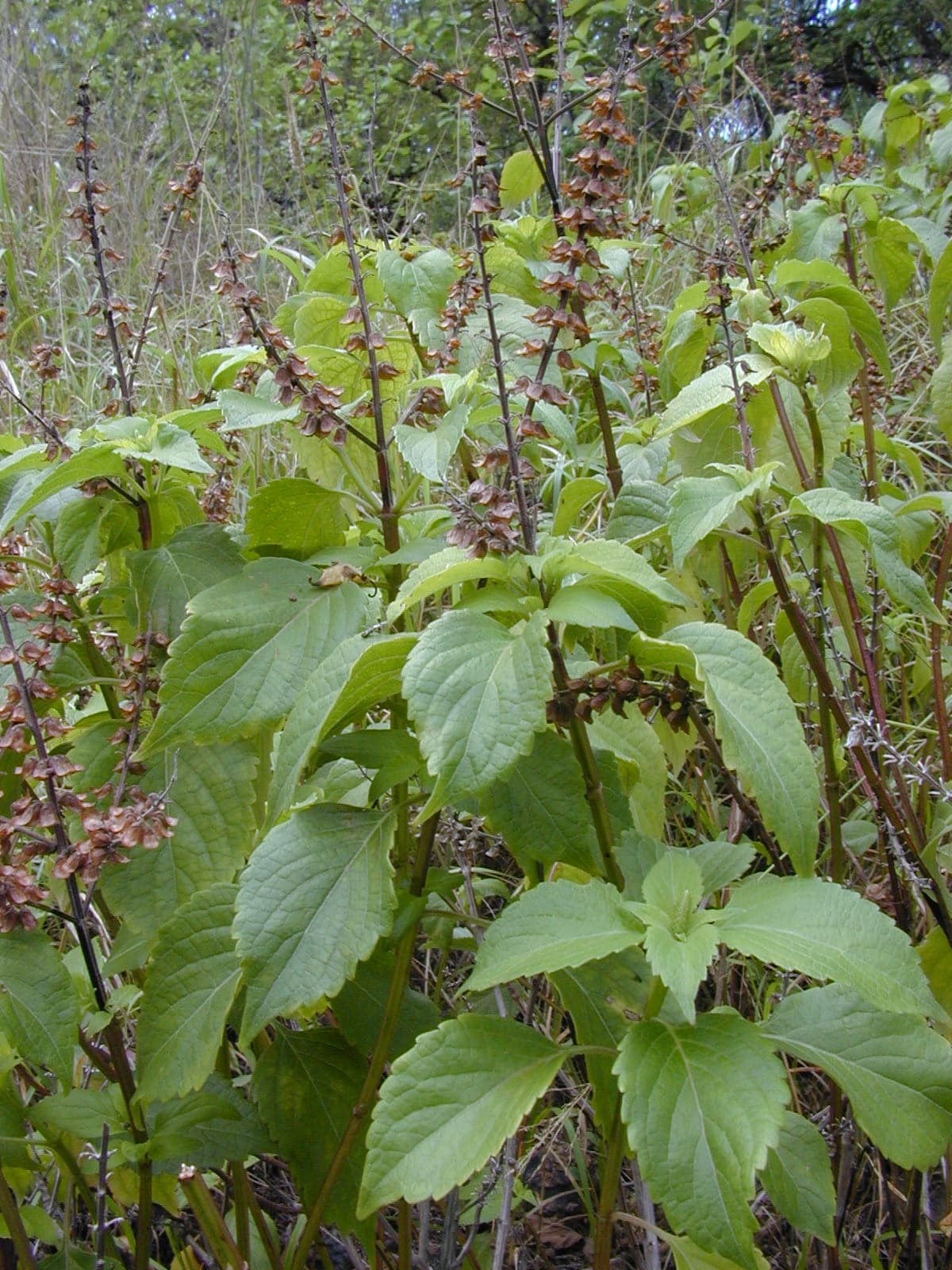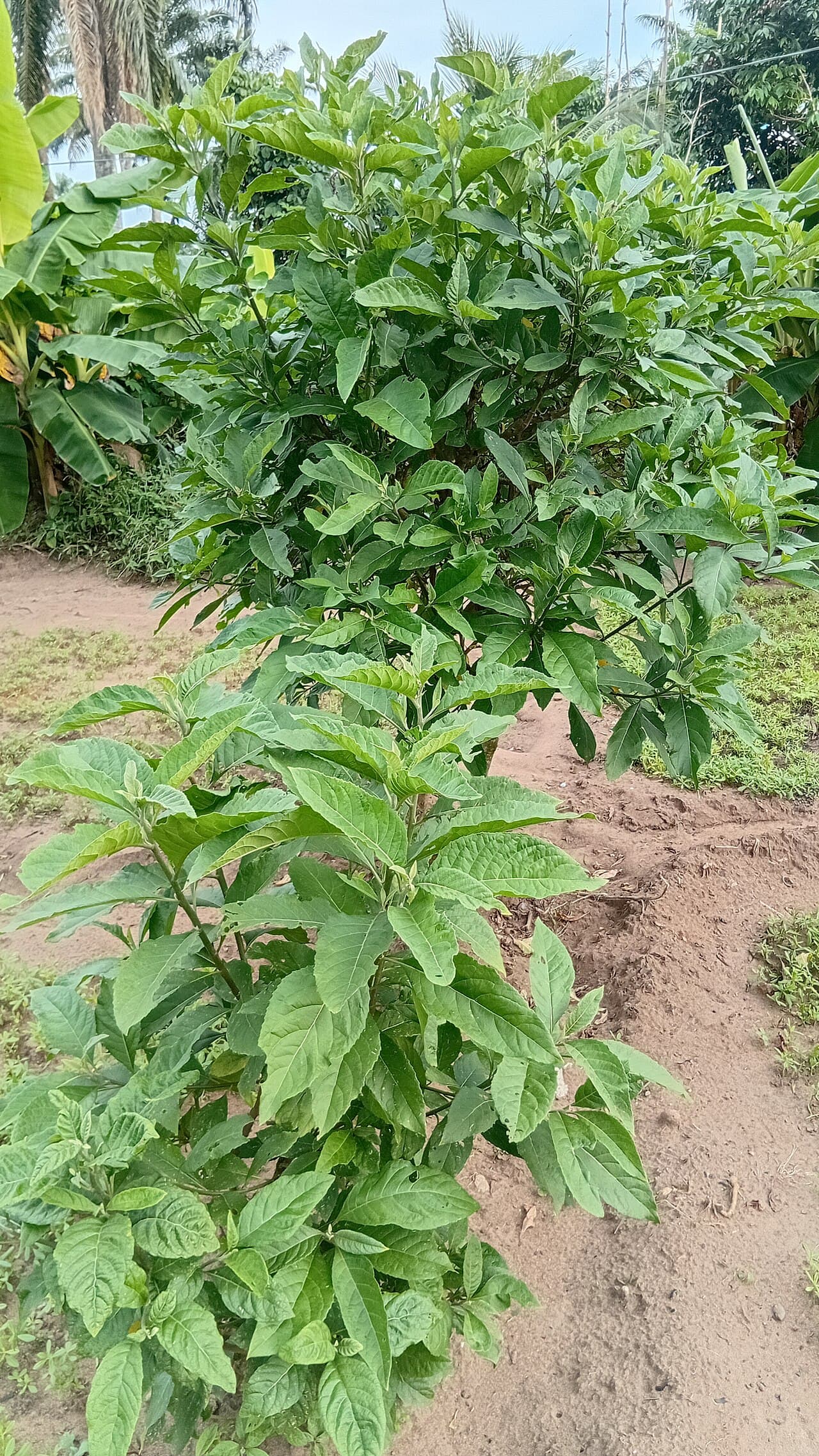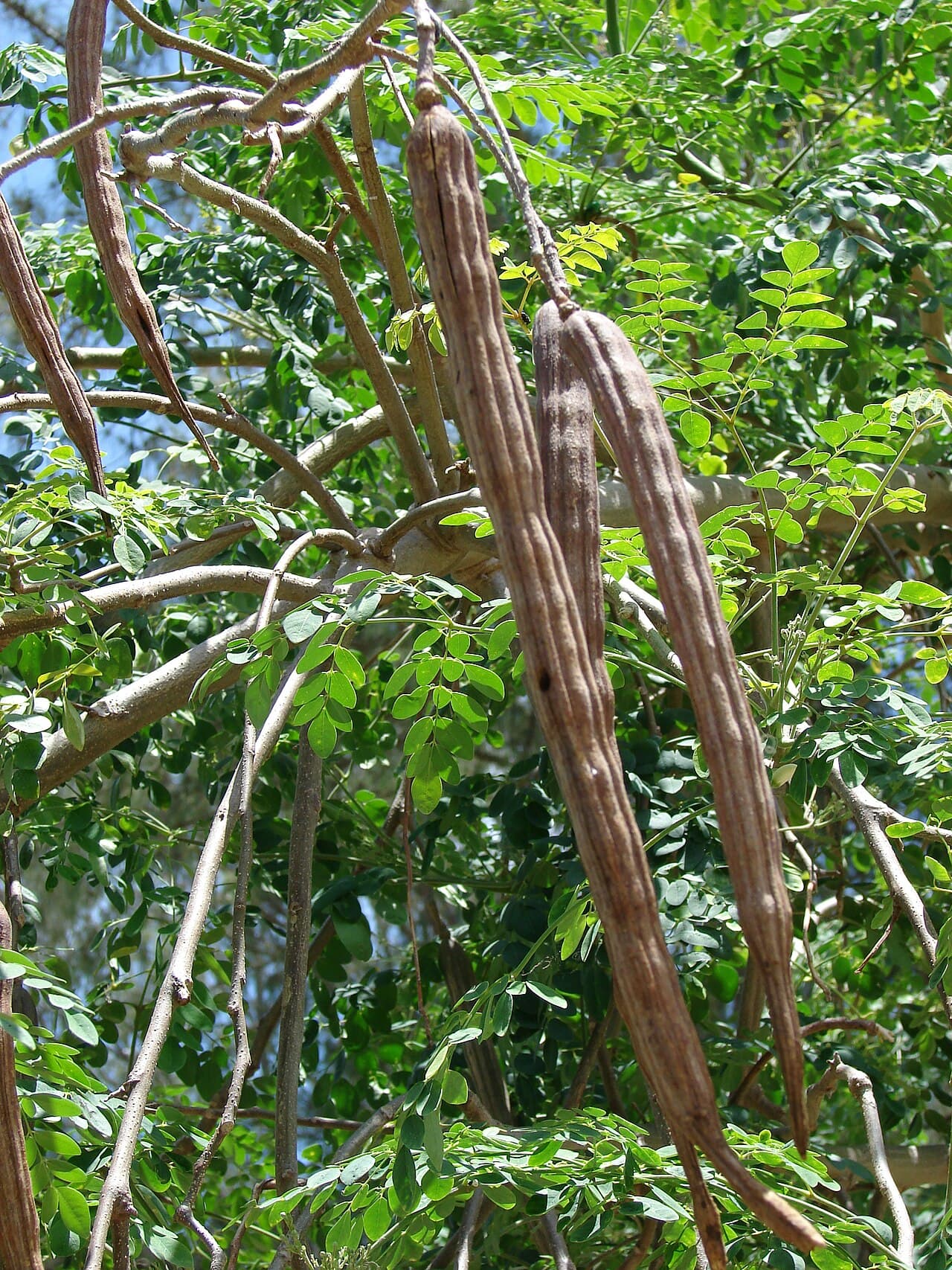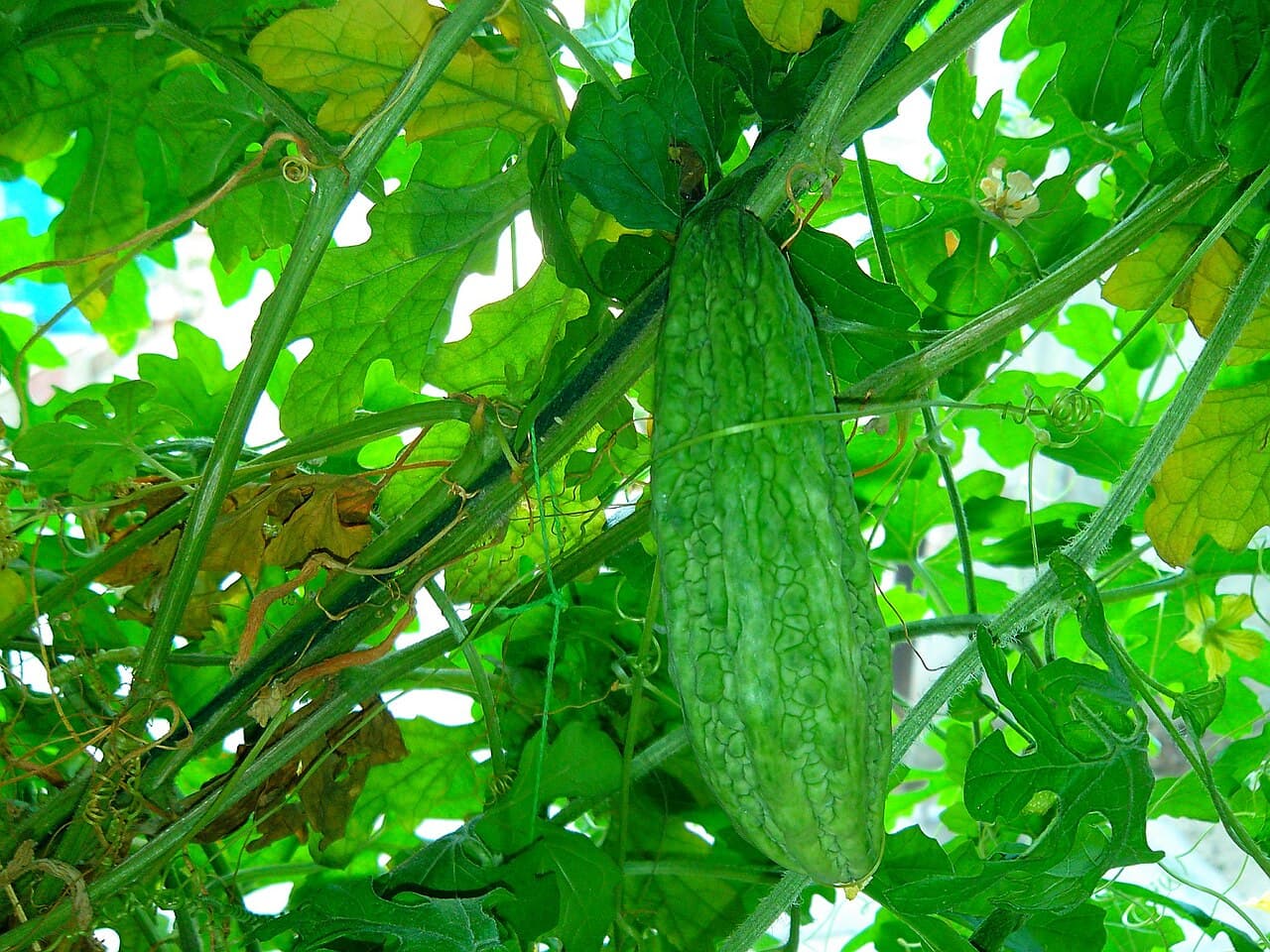
Bitter melon
Momordica charantia
A climbing vine bearing warty, bitter-tasting fruit, eaten as a vegetable across Nigeria and much of Asia and Africa once picked unripe. Beyond food, it has one of the longest traditional-medicine track records of any plant on this list, especially for diabetes, though which of its compounds actually drive that effect is still an active research question.
- Category
- Medicinal
- Found in
- West, Central, East and Southern AfricaPOWO
- Data sources
- Dr. Duke's, other literature
Local names
Known in 3 languages
Say it in
Yoruba · West Africa
Ejinrin were
also Ewe Ejinrin
West Africa
Spot a wrong name, or know another one?Tell us here ↗
Traditional & Common Uses
Important medical disclaimer
The information below is for educational reference only. It does not constitute medical advice. Always consult a qualified healthcare provider.
- General
Used since ancient times in Traditional Chinese Medicine, and across many other cultures, to help manage diabetes and high blood sugar.
[1] Çiçek, S.S. (2022). Momordica charantia L.—Diabetes-Related Bioactivities, Quality Control, and Safety Considerations. Frontiers in Pharmacology, 13, 904643.
- Ghana
Fruit traditionally used as a stomachic, laxative, or dewormer, including reported use in Trinidad and Ghana.
[2] Çiçek, S.S. (2022). Momordica charantia L.—Diabetes-Related Bioactivities, Quality Control, and Safety Considerations. Frontiers in Pharmacology, 13, 904643. Regional use per USDA Dr. Duke's Phytochemical and Ethnobotanical Database (phytochem.nal.usda.gov), Momordica charantia entry
- Ghana
Used traditionally for fever and malaria in several countries, including Ghana, Haiti, and Trinidad.
[3] USDA Dr. Duke's Phytochemical and Ethnobotanical Database (phytochem.nal.usda.gov), Momordica charantia entry
- General
Used traditionally for dysentery and rheumatism in various regions.
[3] USDA Dr. Duke's Phytochemical and Ethnobotanical Database (phytochem.nal.usda.gov), Momordica charantia entry
- Congo
Used in DR Congo for colic and roundworms.
[4] Ayensu, E.S. (1978). Medicinal Plants of West Africa. Reference Publications, Inc. — via Duke's Ethnobotanical Database
- Ghana
Used in Ghana for fever, dysentery and gonorrhea, and as an aphrodisiac.
[4] Ayensu, E.S. (1978). Medicinal Plants of West Africa. Reference Publications, Inc. — via Duke's Ethnobotanical Database
Known Phytochemicals
Cautions & Contraindications
- highSignificant risk documented in literature
- moderatePotential risk; caution advised
- high
Listed among plants traditionally used as an abortifacient in some cultures; best avoided medicinally during pregnancy.
[3] USDA Dr. Duke's Phytochemical and Ethnobotanical Database (phytochem.nal.usda.gov), Momordica charantia entry
- moderate
Can cause hypoglycemia (blood sugar dropping too low), especially when combined with diabetes medication, so caution and medical guidance are advised if using both together. Some people also experience gastrointestinal disturbances.
[1] Çiçek, S.S. (2022). Momordica charantia L.—Diabetes-Related Bioactivities, Quality Control, and Safety Considerations. Frontiers in Pharmacology, 13, 904643.
Sources & Citations
- 1Çiçek, S.S. (2022). Momordica charantia L.—Diabetes-Related Bioactivities, Quality Control, and Safety Considerations. Frontiers in Pharmacology, 13, 904643.
- 2Çiçek, S.S. (2022). Momordica charantia L.—Diabetes-Related Bioactivities, Quality Control, and Safety Considerations. Frontiers in Pharmacology, 13, 904643. Regional use per USDA Dr. Duke's Phytochemical and Ethnobotanical Database (phytochem.nal.usda.gov), Momordica charantia entry
- 3USDA Dr. Duke's Phytochemical and Ethnobotanical Database (phytochem.nal.usda.gov), Momordica charantia entry
- 4Ayensu, E.S. (1978). Medicinal Plants of West Africa. Reference Publications, Inc. — via Duke's Ethnobotanical Database