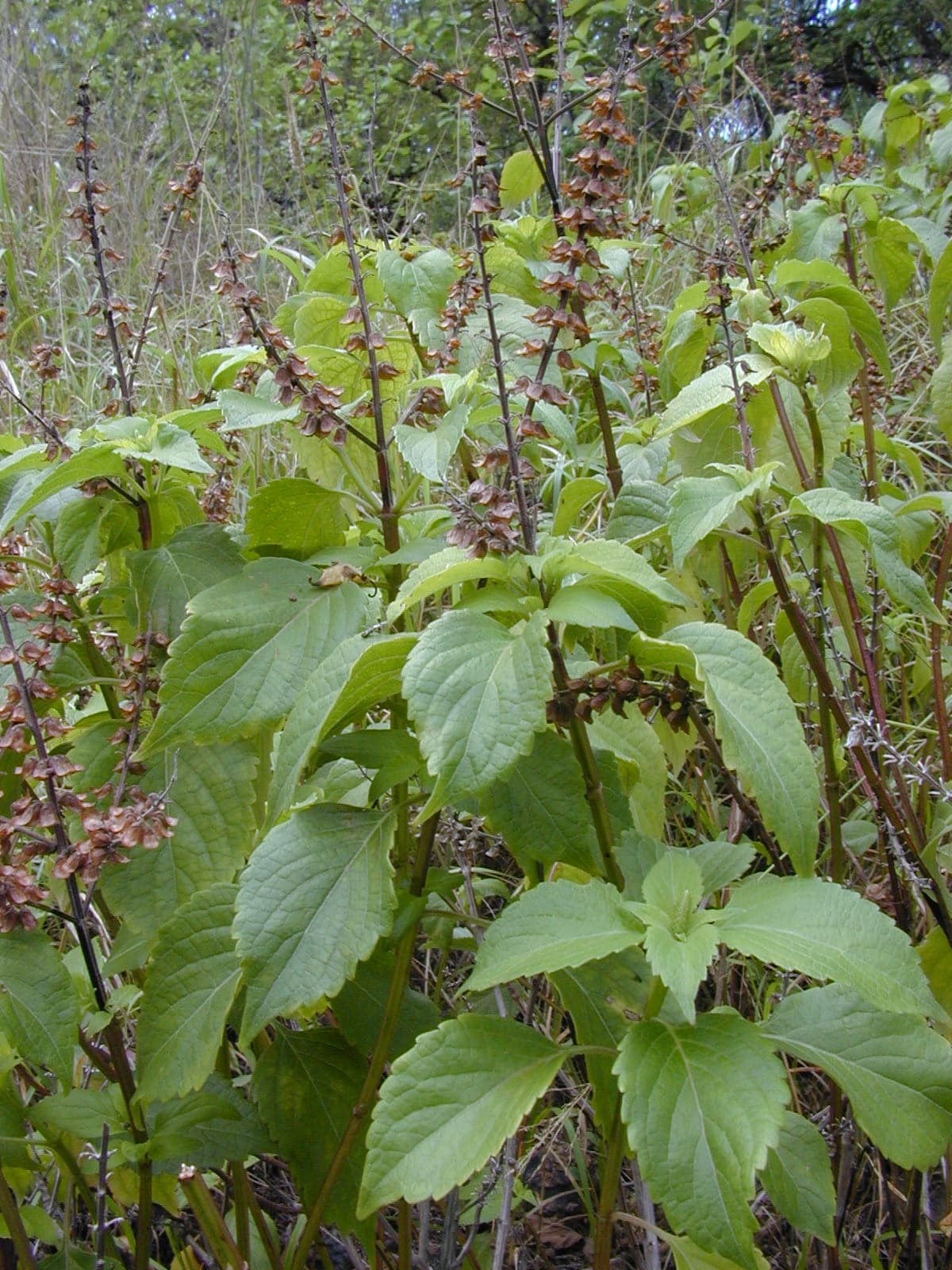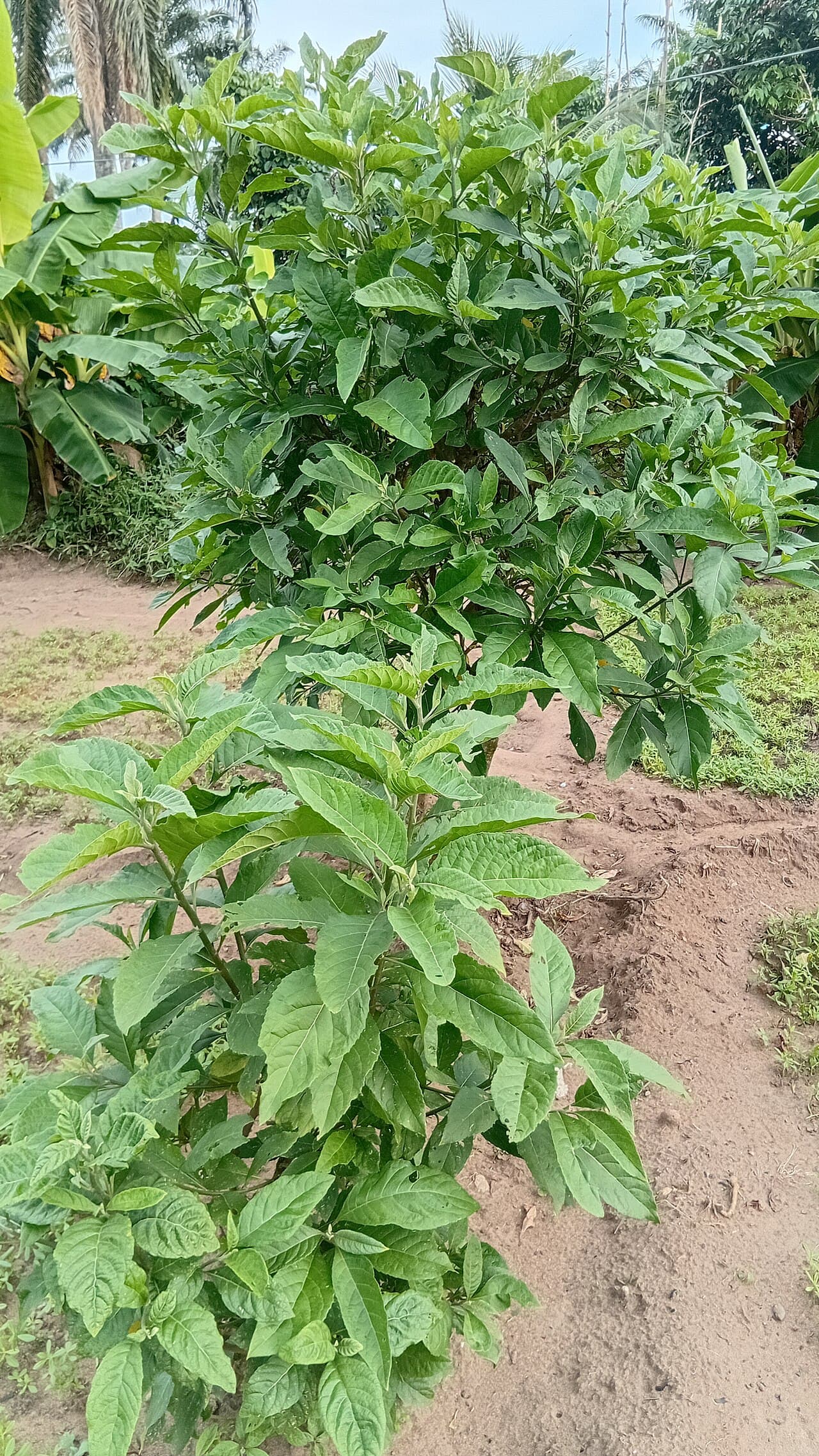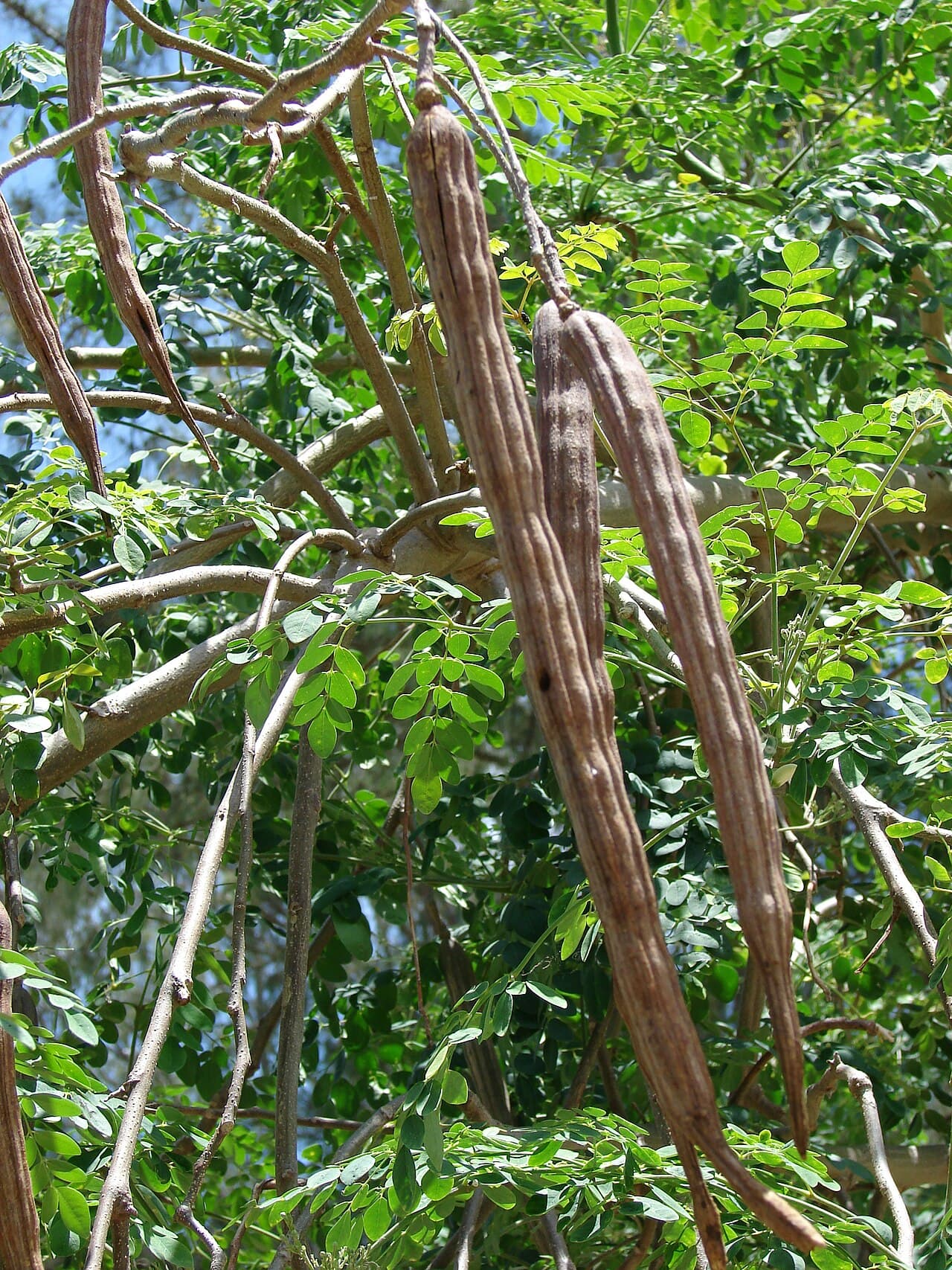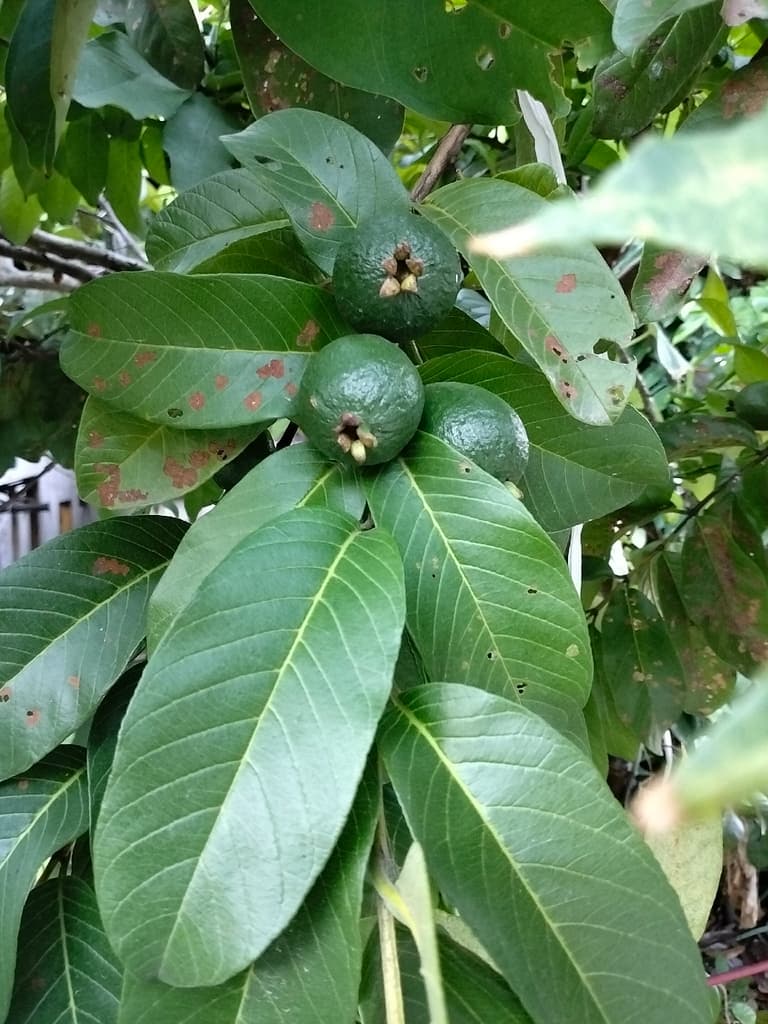
Guava
Psidium guajava
An evergreen shrub or small tree originating from Central and South America and now naturalized across Africa. The fruit is eaten fresh or juiced, and the leaves are widely used in traditional medicine, especially for diarrhea.
- Category
- Medicinal
- Found in
- West, Central, East and Southern AfricaPOWO
- Data sources
- NMPPDB, Dr. Duke's, other literature
Local names
Known in 5 languages across 2 regions
Say it in
Yoruba · West Africa
Gilofa
West Africa
East Africa
Spot a wrong name, or know another one?Tell us here ↗
Traditional & Common Uses
Important medical disclaimer
The information below is for educational reference only. It does not constitute medical advice. Always consult a qualified healthcare provider.
- Nigeria
Leaf decoctions used to treat diarrhea and dysentery, including in Nigeria and Ghana; the plant is best known for antispasmodic and antimicrobial properties in this use, and clinical applications have been suggested for diarrhea and infantile rotaviral enteritis.
[1] Gutiérrez, R.M.P., Mitchell, S., & Solis, R.V. (2008). Psidium guajava: a review of its traditional uses, phytochemistry and pharmacology. Journal of Ethnopharmacology, 117(1), 1–27. Nigerian use as reported on NMPPDB (nmppdb.com.ng); Ghanaian use per USDA Dr. Duke's Ethnobotanical Database.
- India
Leaf pastes used on wounds (reported in India); aqueous leaf extracts showed antibacterial activity against Staphylococcus aureus in lab tests.
[2] Nair, R., & Chanda, S.V. (2007). Antibacterial activities of some medicinal plants of the western region of India. Turkish Journal of Biology, 31(4), 231–236.
- General
Leaves and fruit taken as teas to help manage blood sugar; guava has been used extensively as a hypoglycaemic (blood-sugar-lowering) agent.
[3] Gutiérrez, R.M.P., Mitchell, S., & Solis, R.V. (2008). Psidium guajava: a review of its traditional uses, phytochemistry and pharmacology. Journal of Ethnopharmacology, 117(1), 1–27.
- General
Leaf extract shown to reduce inflammation and pain responses in rats and mice.
[4] Ojewole, J.A.O. (2006). Antiinflammatory and analgesic effects of Psidium guajava Linn. (Myrtaceae) leaf aqueous extract in rats and mice. Methods and Findings in Experimental and Clinical Pharmacology, 28(7), 441–446.
- General
Aqueous leaf extract inhibited Gram-positive bacteria, including antibiotic-resistant strains, in lab tests, but did not inhibit the Gram-negative E. coli strains tested at the concentrations used.
[5] Pereira, G.A. et al. (2023). Antimicrobial activity of Psidium guajava aqueous extract against sensitive and resistant bacterial strains. Microorganisms, 11(7), 1784.
- Ghana
Used in Ghana for toothache and coughs.
[6] Ayensu, E.S. (1978). Medicinal Plants of West Africa. Reference Publications, Inc. — via Duke's Ethnobotanical Database
Known Phytochemicals
Cautions & Contraindications
- lowMinimal risk under normal conditions
- low
Guava fruit is safe in moderation. NMPPDB reports that the seeds contain small amounts of cyanogenic compounds that can release cyanide if chewed excessively, though normal intake is far below toxic levels.
[12] Morton, J.F. (1987). Fruits of Warm Climates. Creative Resource Systems, Inc., as cited via NMPPDB (nmppdb.com.ng)
Sources & Citations
- 1Gutiérrez, R.M.P., Mitchell, S., & Solis, R.V. (2008). Psidium guajava: a review of its traditional uses, phytochemistry and pharmacology. Journal of Ethnopharmacology, 117(1), 1–27. Nigerian use as reported on NMPPDB (nmppdb.com.ng); Ghanaian use per USDA Dr. Duke's Ethnobotanical Database.
- 2Nair, R., & Chanda, S.V. (2007). Antibacterial activities of some medicinal plants of the western region of India. Turkish Journal of Biology, 31(4), 231–236.
- 3Gutiérrez, R.M.P., Mitchell, S., & Solis, R.V. (2008). Psidium guajava: a review of its traditional uses, phytochemistry and pharmacology. Journal of Ethnopharmacology, 117(1), 1–27.
- 4Ojewole, J.A.O. (2006). Antiinflammatory and analgesic effects of Psidium guajava Linn. (Myrtaceae) leaf aqueous extract in rats and mice. Methods and Findings in Experimental and Clinical Pharmacology, 28(7), 441–446.
- 5Pereira, G.A. et al. (2023). Antimicrobial activity of Psidium guajava aqueous extract against sensitive and resistant bacterial strains. Microorganisms, 11(7), 1784.
- 6Ayensu, E.S. (1978). Medicinal Plants of West Africa. Reference Publications, Inc. — via Duke's Ethnobotanical Database
- 7Ahamad, A., & Ansari, S.H. (2022). A review on multipurpose medicinal properties of traditionally used Psidium guajava leaves. Asian Journal of Pharmaceutical and Clinical Research, 15(8). doi:10.22159/ajpcr.2022.v15i8.43179; amounts per USDA Dr. Duke's Phytochemical and Ethnobotanical Database (phytochem.nal.usda.gov), Psidium guajava entry
- 8Ahamad, A., & Ansari, S.H. (2022). A review on multipurpose medicinal properties of traditionally used Psidium guajava leaves. Asian Journal of Pharmaceutical and Clinical Research, 15(8). doi:10.22159/ajpcr.2022.v15i8.43179
- 9USDA Dr. Duke's Phytochemical and Ethnobotanical Database (phytochem.nal.usda.gov), Psidium guajava entry
- 10Gutiérrez, R.M.P., Mitchell, S., & Solis, R.V. (2008). Psidium guajava: a review of its traditional uses, phytochemistry and pharmacology. Journal of Ethnopharmacology, 117(1), 1–27. Occurrence per USDA Dr. Duke's Phytochemical and Ethnobotanical Database (phytochem.nal.usda.gov), Psidium guajava entry
- 11Ahamad, A., & Ansari, S.H. (2022). A review on multipurpose medicinal properties of traditionally used Psidium guajava leaves. Asian Journal of Pharmaceutical and Clinical Research, 15(8). doi:10.22159/ajpcr.2022.v15i8.43179; occurrence per USDA Dr. Duke's Phytochemical and Ethnobotanical Database (phytochem.nal.usda.gov), Psidium guajava entry
- 12Morton, J.F. (1987). Fruits of Warm Climates. Creative Resource Systems, Inc., as cited via NMPPDB (nmppdb.com.ng)
- 13Orwa et al. (2009), Agroforestree Database 4.0, World Agroforestry: Psidium guajava
- 14Akan (Twi) Dictionary, akandictionary.com: Oguaa (guava)