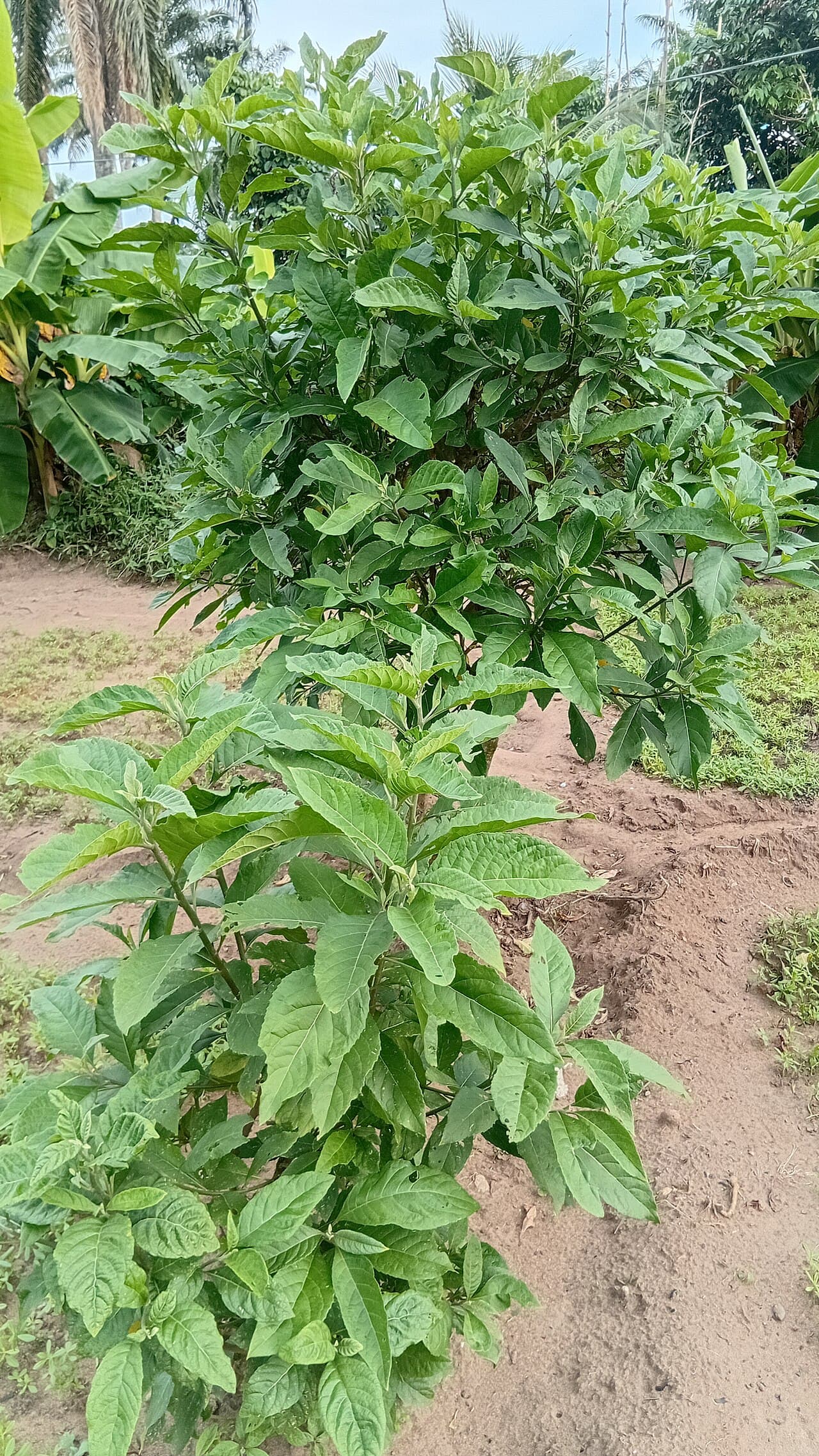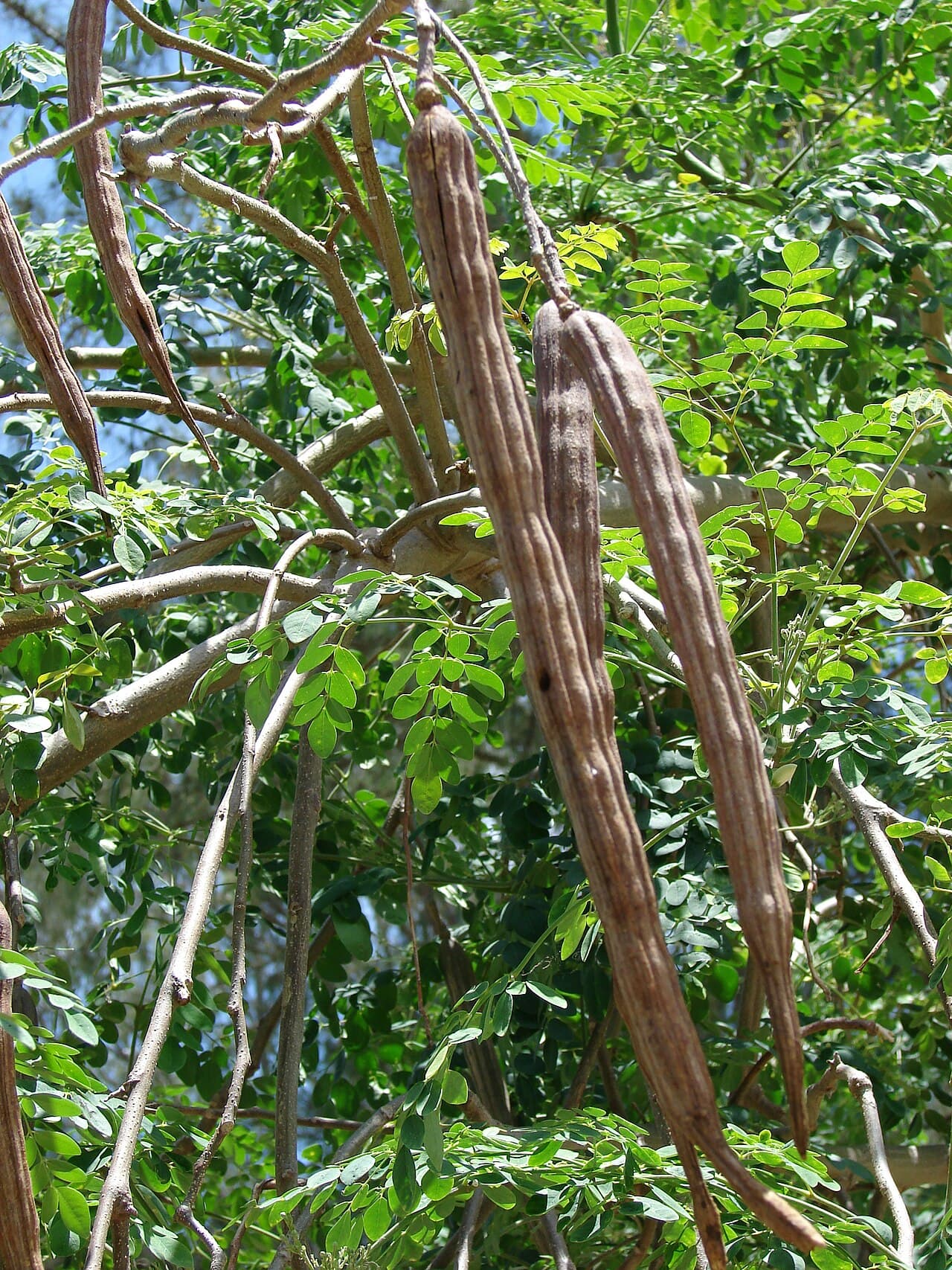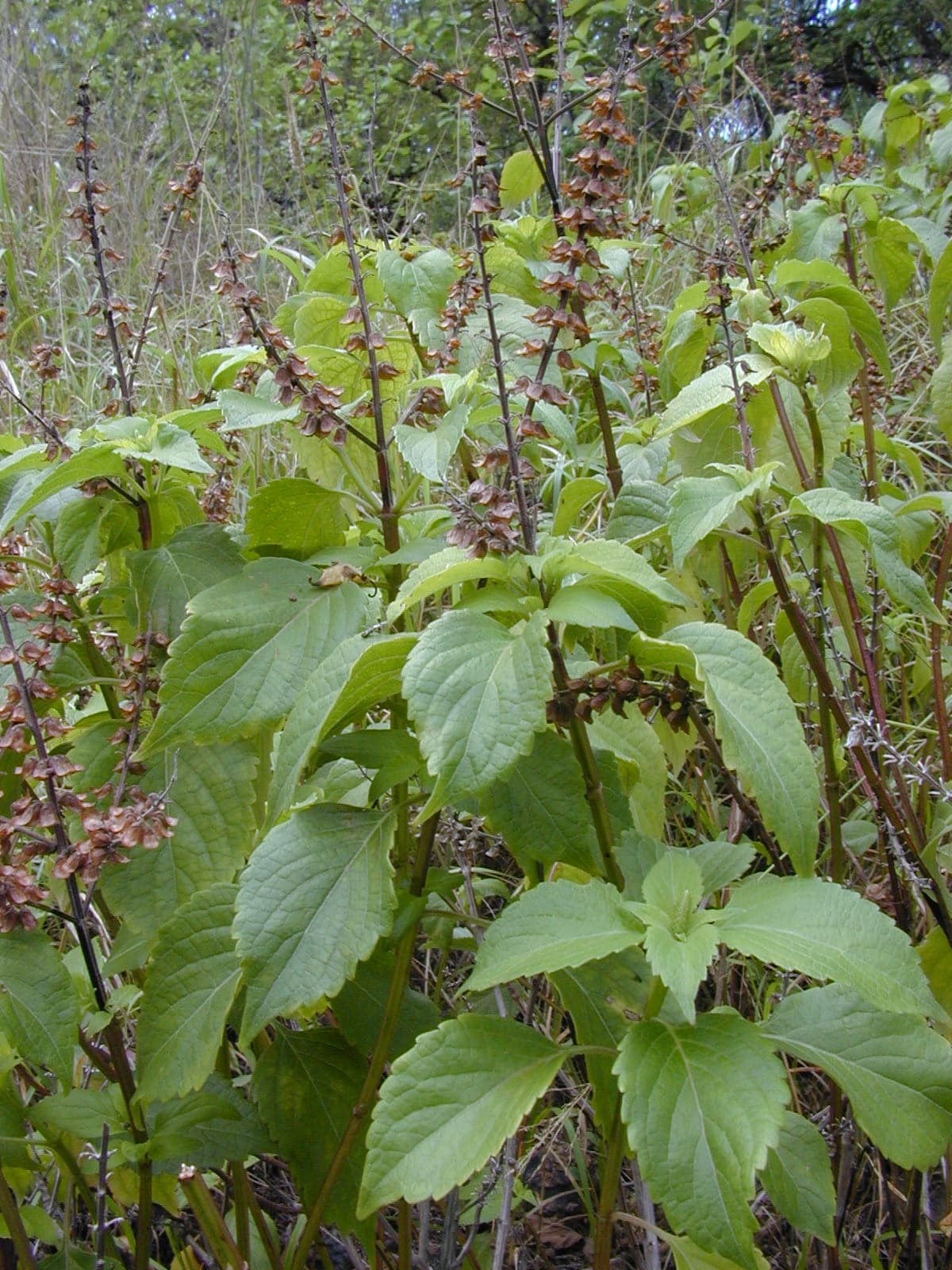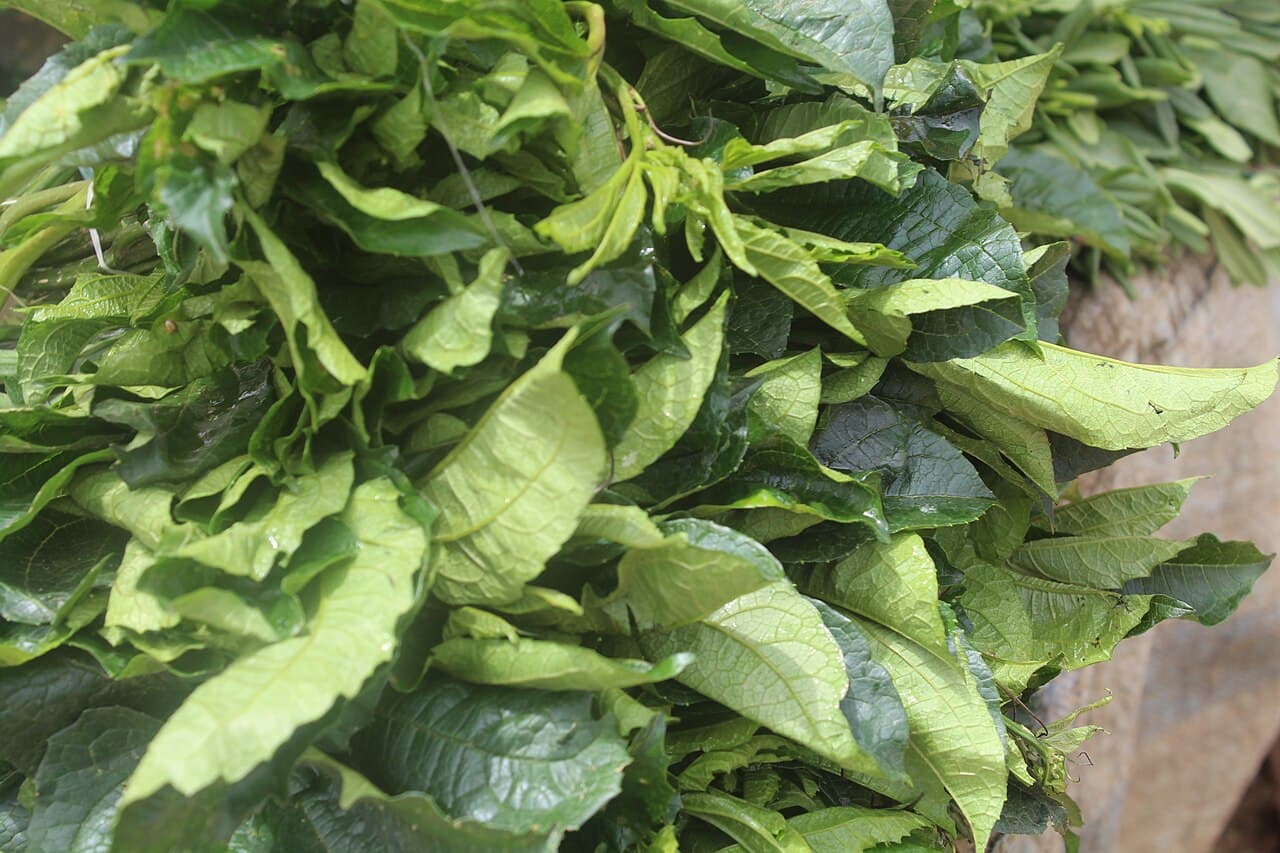
Ugwu (fluted pumpkin)
Telfairia occidentalis
A vigorous climbing vine native to southern Nigeria, grown for its iron-rich leaves and oil-rich seeds. The leaves are a key ingredient in Nigerian soups such as egusi and ogbono, and hold particular cultural significance in Igbo tradition, where they are associated with rituals for health and fertility.
- Category
- Leafy Vegetable
- Found in
- West, Central and East AfricaPOWO
- Data sources
- NMPPDB, other literature
Local names
Known in 9 languages
Say it in
Yoruba · West Africa
Efo iroko
also Sokoyokoto, Ewe Elegede
West Africa
Spot a wrong name, or know another one?Tell us here ↗
Traditional & Common Uses
Important medical disclaimer
The information below is for educational reference only. It does not constitute medical advice. Always consult a qualified healthcare provider.
- Nigeria
Leaf extract shown to inhibit and reverse sickling of HbSS (sickle-cell) blood cells in lab studies, relevant to its traditional use around sickle-cell anemia in Nigeria.
[1] Osukoya, O.A., Oladimeji-Salami, J.A., & Adegbenro, D. (2018). Journal of Traditional and Complementary Medicine, 8(3), 369–373.
- General
Leaf extract shown to lower blood glucose in diabetic rats, comparable to a standard antidiabetic drug (glibenclamide).
[2] Eseyin, O.A., Oforah, E., & Dooka, B.D. (2000). Global Journal of Pure and Applied Sciences, 6(4), 639–641. (Note: NMPPDB's own page cites this as "Eseyin et al., 2010" — a likely typo, as their reference list only includes 2000 and 2018 Eseyin papers.)
- General
Leaf extract shown to reduce pain response in animal studies, comparable to aspirin.
[3] Akindele, A.J., Oladimeji-Salami, J.A., & Usuwah, B.A. (2015). Journal of Medicinal Food, 18(10), 1157–1163.
- General
Root extract shown to have antimalarial activity comparable to chloroquine in animal studies.
[4] Okokon, J.E., Ekpe, O.O., & Eseyin, O.A. (2007). Journal of Medicinal Plants Research, 1(4), 79–83.
- General
Leaf extract shown to protect the liver in rats with induced liver damage.
[5] Nwanna, E.E., Oboh, G., & Ekperigin, M.M. (2008). African Journal of Food Science, 2(8), 131–135.
- General
Leaf extract shown to have a calming (anxiolytic) effect at lower doses and a sedative effect at higher doses in mice.
[6] Ajao, M.Y., & Akindele, A.J. (2013). Brazilian Journal of Pharmacognosy, 23(5), 801–809.
Known Phytochemicals
Cautions & Contraindications
- moderatePotential risk; caution advised
- lowMinimal risk under normal conditions
- moderate
Safety during pregnancy or childhood has not been evaluated; wild-harvested plants may carry heavy-metal contamination risk.
[10] Akindele, A.J. et al. (2018). Medicines, 5(1), 4.
- low
No mortality observed in rats even at high acute doses (up to 3,000 mg/kg); however, sub-chronic dosing over 60 days caused a reversible reduction in testicular weight and mild testicular tissue changes, with no significant effects on blood or biochemical markers.
[9] Akindele, A.J., Oladimeji-Salami, J.A., Oyetola, R.A., & Osiagwu, D.D. (2018). Medicines, 5(1), 4.
- low
High doses (over 1,000 mg/kg) over 30 days led to a mild rise (around 10%) in a liver enzyme marker (ALT).
[10] Akindele, A.J. et al. (2018). Medicines, 5(1), 4.
Sources & Citations
- 1Osukoya, O.A., Oladimeji-Salami, J.A., & Adegbenro, D. (2018). Journal of Traditional and Complementary Medicine, 8(3), 369–373.
- 2Eseyin, O.A., Oforah, E., & Dooka, B.D. (2000). Global Journal of Pure and Applied Sciences, 6(4), 639–641. (Note: NMPPDB's own page cites this as "Eseyin et al., 2010" — a likely typo, as their reference list only includes 2000 and 2018 Eseyin papers.)
- 3Akindele, A.J., Oladimeji-Salami, J.A., & Usuwah, B.A. (2015). Journal of Medicinal Food, 18(10), 1157–1163.
- 4Okokon, J.E., Ekpe, O.O., & Eseyin, O.A. (2007). Journal of Medicinal Plants Research, 1(4), 79–83.
- 5Nwanna, E.E., Oboh, G., & Ekperigin, M.M. (2008). African Journal of Food Science, 2(8), 131–135.
- 6Ajao, M.Y., & Akindele, A.J. (2013). Brazilian Journal of Pharmacognosy, 23(5), 801–809.
- 7Eseyin, O.A., Sattar, M.A., Rathore, H.A., et al. (2018). GC-MS and HPLC profiles of phenolic fractions of the leaf of Telfairia occidentalis. Pakistan Journal of Pharmaceutical Sciences, 31(1), 45–50.
- 8Ogunlakin, A.D., Gyebi, G.A., Elbasyouni, A., et al. (2025). Ethnomedicinal validation of Telfairia occidentalis L. leaf: a dual experimental and computational approach to uterine leiomyoma therapy. Frontiers in Nutrition, 12, 1669528.
- 9Akindele, A.J., Oladimeji-Salami, J.A., Oyetola, R.A., & Osiagwu, D.D. (2018). Medicines, 5(1), 4.
- 10Akindele, A.J. et al. (2018). Medicines, 5(1), 4.
- 11Ali, Dandago & Ali (2024), Food Applications of Telfairia occidentalis, in Phytochemicals in Agriculture and Food, IntechOpen (Ghana)