Roselle (Zobo)
Hibiscus sabdariffa
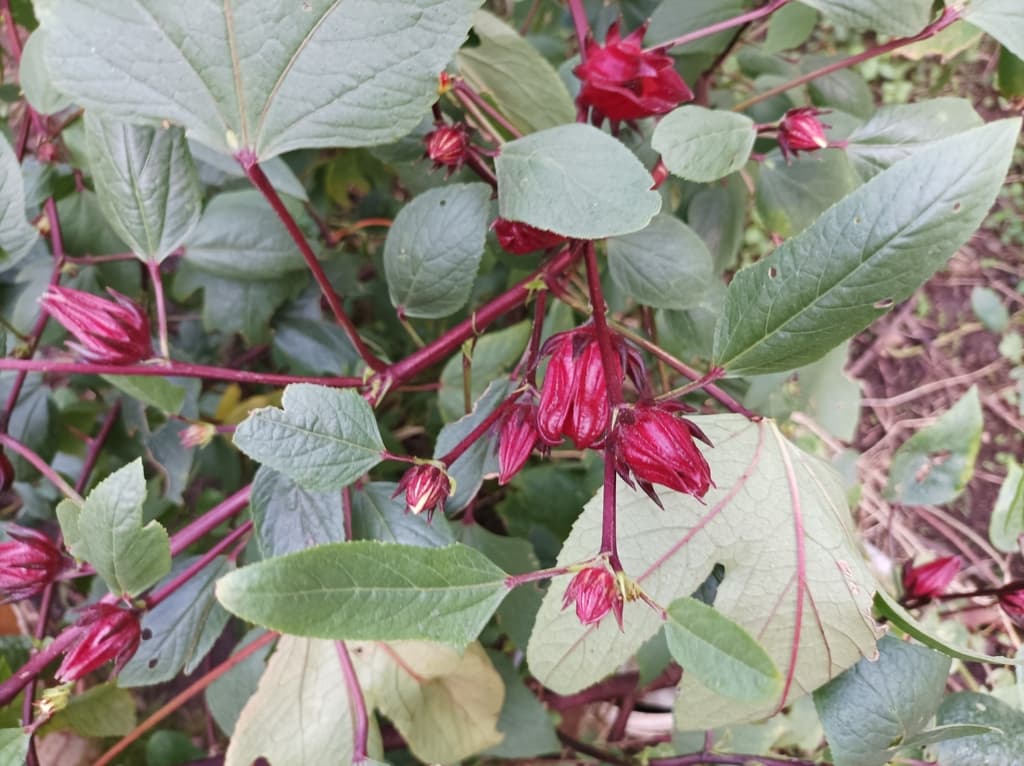
An upright herb grown across the tropics for its fleshy red calyces, which are dried and brewed into the tart, deep-red drink known as zobo in Nigeria (hibiscus tea or bissap elsewhere). Its native range runs from West Tropical Africa to Sudan.
- Categories
- Medicinal, Beverage
- Found in
- Across AfricaPOWO
- Data sources
- NMPPDB, Dr. Duke's, other literature
Local names
Known in 2 languages
Say it in
Yoruba · West Africa
Isapa
West Africa
Spot a wrong name, or know another one?Tell us here ↗
Traditional & Common Uses
Important medical disclaimer
The information below is for educational reference only. It does not constitute medical advice. Always consult a qualified healthcare provider.
- General
Dried calyces brewed into a tart, cooling drink and taken as a wellness tonic.
[1] Riaz, G., & Chopra, R. (2018). A review on phytochemistry and therapeutic uses of Hibiscus sabdariffa L. Biomedicine & Pharmacotherapy, 102, 575–586.
- General
Calyx tea has been tested in randomized clinical trials for lowering blood pressure: in one trial, three servings a day for six weeks lowered systolic pressure more than placebo in adults with prehypertension or mild hypertension, and meta-analyses report overall reductions in systolic and diastolic pressure, though results vary by preparation and effects on cholesterol and blood sugar are less consistent.
[2] McKay, D.L., Chen, C.-Y.O., Saltzman, E., & Blumberg, J.B. (2010). Hibiscus sabdariffa L. tea (tisane) lowers blood pressure in prehypertensive and mildly hypertensive adults. The Journal of Nutrition, 140(2), 298–303. Ellis, L.R., Zulfiqar, S., Holmes, M., Marshall, L., Dye, L., & Boesch, C. (2022). A systematic review and meta-analysis of the effects of Hibiscus sabdariffa on blood pressure and cardiometabolic markers. Nutrition Reviews, 80(6), 1723–1737.
- General
Used traditionally as a diuretic; an extract showed measurable diuretic and natriuretic (salt-excreting) effects in experimental models.
[3] Alarcón-Alonso, J., Zamilpa, A., Aguilar, F.A., Herrera-Ruiz, M., Tortoriello, J., & Jimenez-Ferrer, E. (2012). Pharmacological characterization of the diuretic effect of Hibiscus sabdariffa Linn (Malvaceae) extract. Journal of Ethnopharmacology, 139(3), 751–756.
- General
Calyx extracts show antioxidant activity, and antibacterial and antifungal activity in lab studies, attributed largely to polyphenols and anthocyanins.
[1] Riaz, G., & Chopra, R. (2018). A review on phytochemistry and therapeutic uses of Hibiscus sabdariffa L. Biomedicine & Pharmacotherapy, 102, 575–586.
Known Phytochemicals
Cautions & Contraindications
- moderatePotential risk; caution advised
- lowMinimal risk under normal conditions
- moderate
Caution if you take blood-pressure medication: roselle can lower blood pressure itself, and a rat study found that roselle extract changed the body's exposure to the antihypertensive drug captopril.
[6] Nurfaradilla, S.A., Saputri, F.C., & Harahap, Y. (2020). Pharmacokinetic herb-drug interaction between Hibiscus sabdariffa calyces aqueous extract and captopril in rats. Evidence-Based Complementary and Alternative Medicine, 2020, 5013898.
- low
Human studies of brewed hibiscus report good tolerability with mostly mild side effects, but safety varies by dose and preparation.
[5] Ellis, L.R., Zulfiqar, S., Holmes, M., Marshall, L., Dye, L., & Boesch, C. (2022). A systematic review and meta-analysis of the effects of Hibiscus sabdariffa on blood pressure and cardiometabolic markers. Nutrition Reviews, 80(6), 1723–1737.
- low
Animal studies have raised organ-toxicity concerns under high or prolonged exposure. This should not be equated with normal drink-sized intake, but supports conservative dosing if used medicinally.
[7] Koffuor et al. (2015), as cited via NMPPDB (nmppdb.com.ng)
Sources & Citations
- 1Riaz, G., & Chopra, R. (2018). A review on phytochemistry and therapeutic uses of Hibiscus sabdariffa L. Biomedicine & Pharmacotherapy, 102, 575–586.
- 2McKay, D.L., Chen, C.-Y.O., Saltzman, E., & Blumberg, J.B. (2010). Hibiscus sabdariffa L. tea (tisane) lowers blood pressure in prehypertensive and mildly hypertensive adults. The Journal of Nutrition, 140(2), 298–303. Ellis, L.R., Zulfiqar, S., Holmes, M., Marshall, L., Dye, L., & Boesch, C. (2022). A systematic review and meta-analysis of the effects of Hibiscus sabdariffa on blood pressure and cardiometabolic markers. Nutrition Reviews, 80(6), 1723–1737.
- 3Alarcón-Alonso, J., Zamilpa, A., Aguilar, F.A., Herrera-Ruiz, M., Tortoriello, J., & Jimenez-Ferrer, E. (2012). Pharmacological characterization of the diuretic effect of Hibiscus sabdariffa Linn (Malvaceae) extract. Journal of Ethnopharmacology, 139(3), 751–756.
- 4USDA Dr. Duke's Phytochemical and Ethnobotanical Database (phytochem.nal.usda.gov), Hibiscus sabdariffa entry
- 5Ellis, L.R., Zulfiqar, S., Holmes, M., Marshall, L., Dye, L., & Boesch, C. (2022). A systematic review and meta-analysis of the effects of Hibiscus sabdariffa on blood pressure and cardiometabolic markers. Nutrition Reviews, 80(6), 1723–1737.
- 6Nurfaradilla, S.A., Saputri, F.C., & Harahap, Y. (2020). Pharmacokinetic herb-drug interaction between Hibiscus sabdariffa calyces aqueous extract and captopril in rats. Evidence-Based Complementary and Alternative Medicine, 2020, 5013898.
- 7Koffuor et al. (2015), as cited via NMPPDB (nmppdb.com.ng)