Turmeric
Curcuma longa
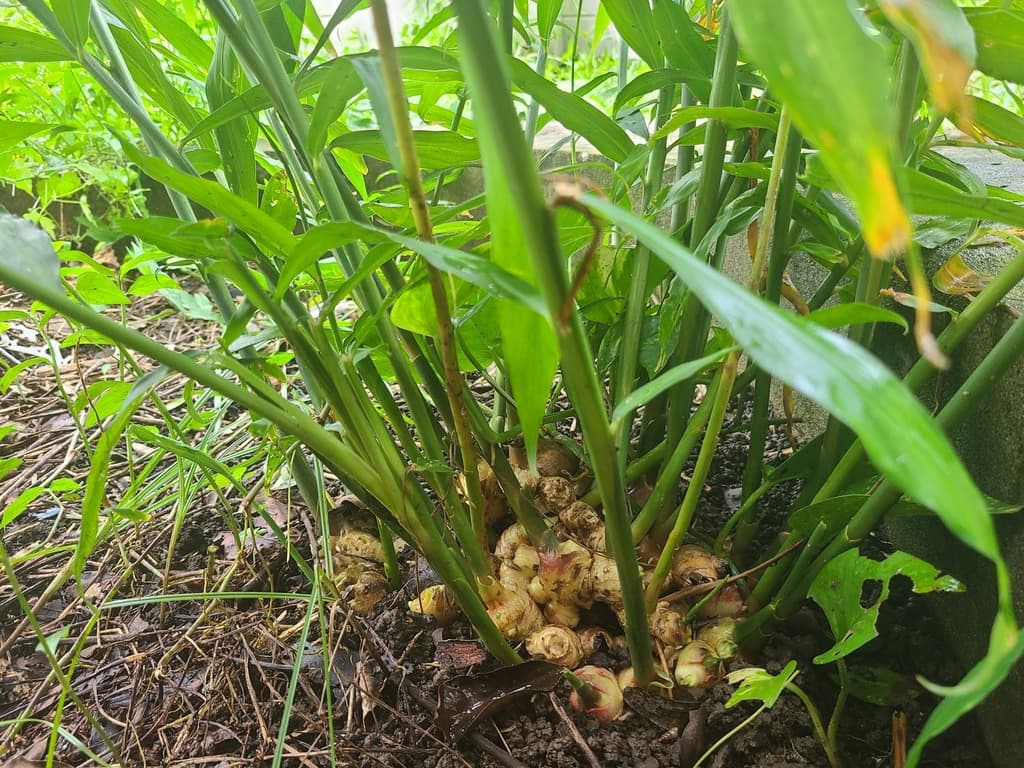
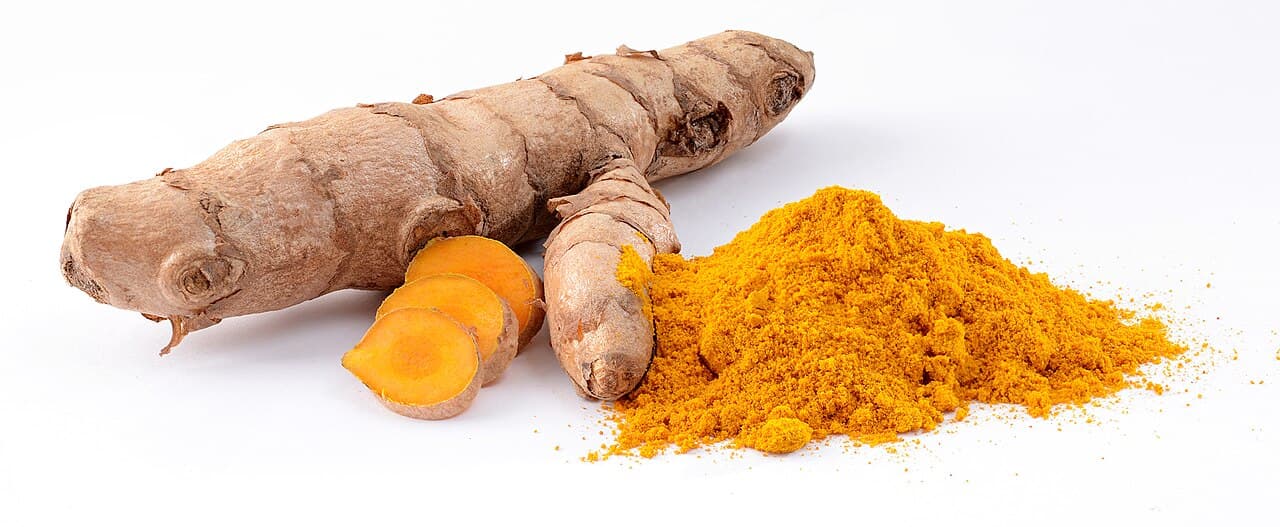
A perennial rhizomatous herb, originally from southwestern India and now grown across the tropics including West Africa. The bright orange-yellow rhizome is used fresh or dried as both a culinary spice and a long-standing medicinal ingredient, particularly in Ayurvedic tradition.
- Categories
- Spice, Medicinal
- Found in
- West and East AfricaPOWO
- Data sources
- Published literature
Local names
Known in 4 languages across 2 regions
Say it in
Yoruba · West Africa
Ata-ile pupa
West Africa
East Africa
Spot a wrong name, or know another one?Tell us here ↗
Traditional & Common Uses
Important medical disclaimer
The information below is for educational reference only. It does not constitute medical advice. Always consult a qualified healthcare provider.
- General
Used in Ayurveda for swelling, sprains, arthritis, and musculoskeletal pain; clinical trials show curcumin preparations relieve pain and improve function in knee osteoarthritis about as well as standard anti-inflammatory drugs, with fewer stomach-related side effects.
[1] Shep, D., Khanwelkar, C., Gade, P., & Karad, S. (2019). Trials, 20(1), 214.
- General
Used traditionally as a carminative and digestive aid; a clinical trial found that adding curcumin to standard treatment improved remission in patients with mild-to-moderate ulcerative colitis.
[2] Lang, A. et al. (2015). Clinical Gastroenterology and Hepatology, 13(8), 1444–1449.
- General
Used in traditional medicine for wounds, cuts, and skin conditions; curcumin has been shown in lab studies to support the wound-healing process.
[3] Fuloria, S. et al. (2022). A Comprehensive Review on the Therapeutic Potential of Curcuma longa Linn. in Relation to its Major Active Constituent Curcumin. Frontiers in Pharmacology, 13, 820806.
- General
Curcumin supplementation shown in meta-analyses of clinical trials to produce modest but real improvements in depressive symptoms, with good tolerability.
[4] Ng, Q.X., Koh, S.S.H., Chan, H.W., & Ho, C.Y.X. (2017). Journal of the American Medical Directors Association, 18(6), 503–508.
- General
Curcumin supplementation shown in systematic reviews to improve liver enzymes, inflammatory markers, and lipid profiles in some patients with non-alcoholic fatty liver disease, though results vary by formulation.
[5] Ebrahimzadeh, A. et al. (2024). Food Science & Nutrition, 13(1), e4144.
Known Phytochemicals
Cautions & Contraindications
- moderatePotential risk; caution advised
- moderate
Culinary use of turmeric is generally considered safe. However, clinical reports describe cases of drug-induced liver injury linked to high-dose turmeric supplements, particularly formulations designed to boost curcumin absorption, typically appearing after weeks to months of use. Caution is advised for people with existing liver disease or those taking high-dose supplements.
[6] Halegoua-DeMarzio, D. et al. (2023). Liver Injury Associated with Turmeric – A Growing Problem: Ten Cases from the Drug-Induced Liver Injury Network (DILIN). American Journal of Medicine, 136(2), 200–206.
Sources & Citations
- 1Shep, D., Khanwelkar, C., Gade, P., & Karad, S. (2019). Trials, 20(1), 214.
- 2Lang, A. et al. (2015). Clinical Gastroenterology and Hepatology, 13(8), 1444–1449.
- 3Fuloria, S. et al. (2022). A Comprehensive Review on the Therapeutic Potential of Curcuma longa Linn. in Relation to its Major Active Constituent Curcumin. Frontiers in Pharmacology, 13, 820806.
- 4Ng, Q.X., Koh, S.S.H., Chan, H.W., & Ho, C.Y.X. (2017). Journal of the American Medical Directors Association, 18(6), 503–508.
- 5Ebrahimzadeh, A. et al. (2024). Food Science & Nutrition, 13(1), e4144.
- 6Halegoua-DeMarzio, D. et al. (2023). Liver Injury Associated with Turmeric – A Growing Problem: Ten Cases from the Drug-Induced Liver Injury Network (DILIN). American Journal of Medicine, 136(2), 200–206.
- 7Jansen (2005), PROTA4U (Plant Resources of Tropical Africa): Curcuma longa