Uziza
Piper guineense
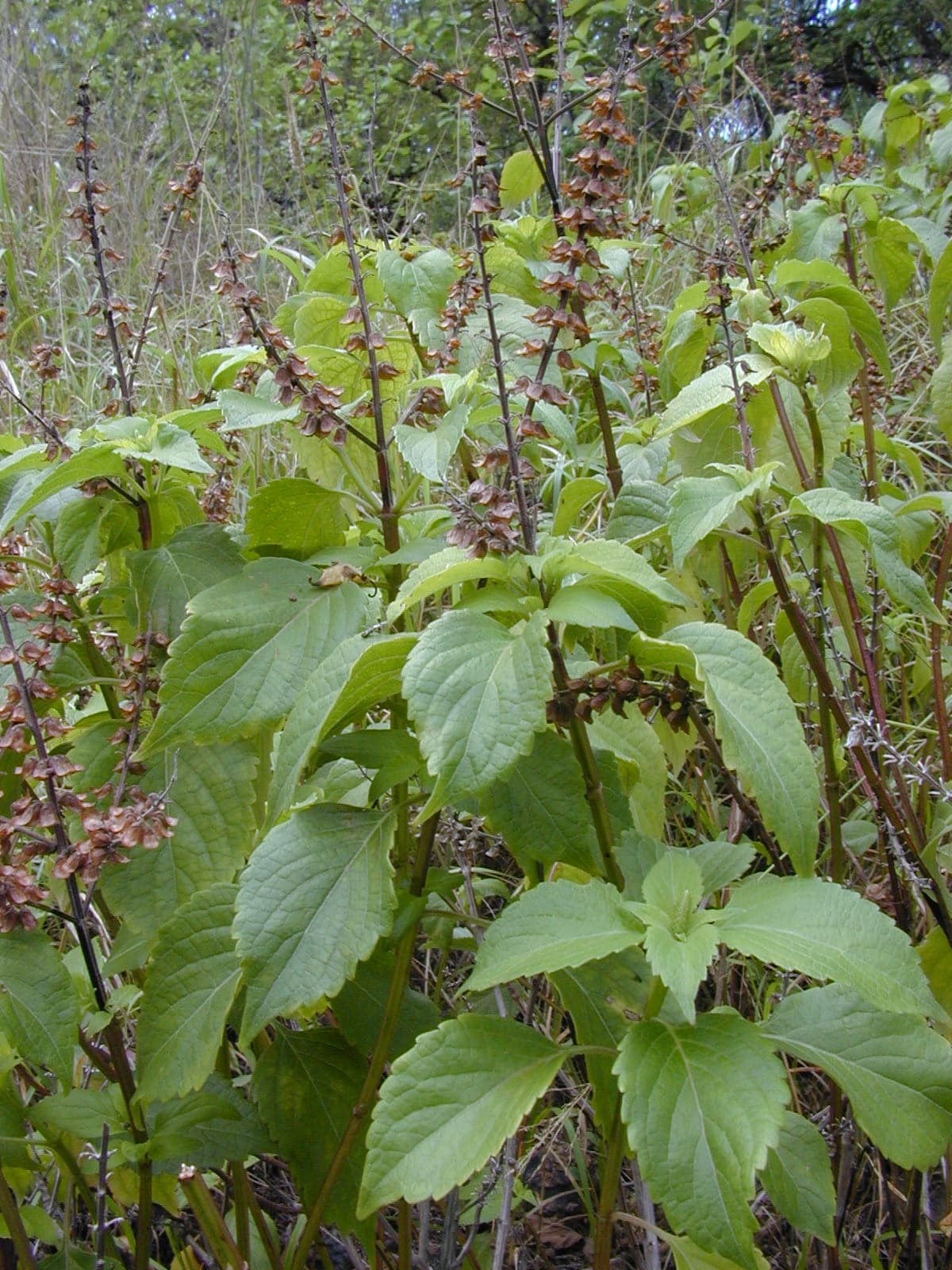
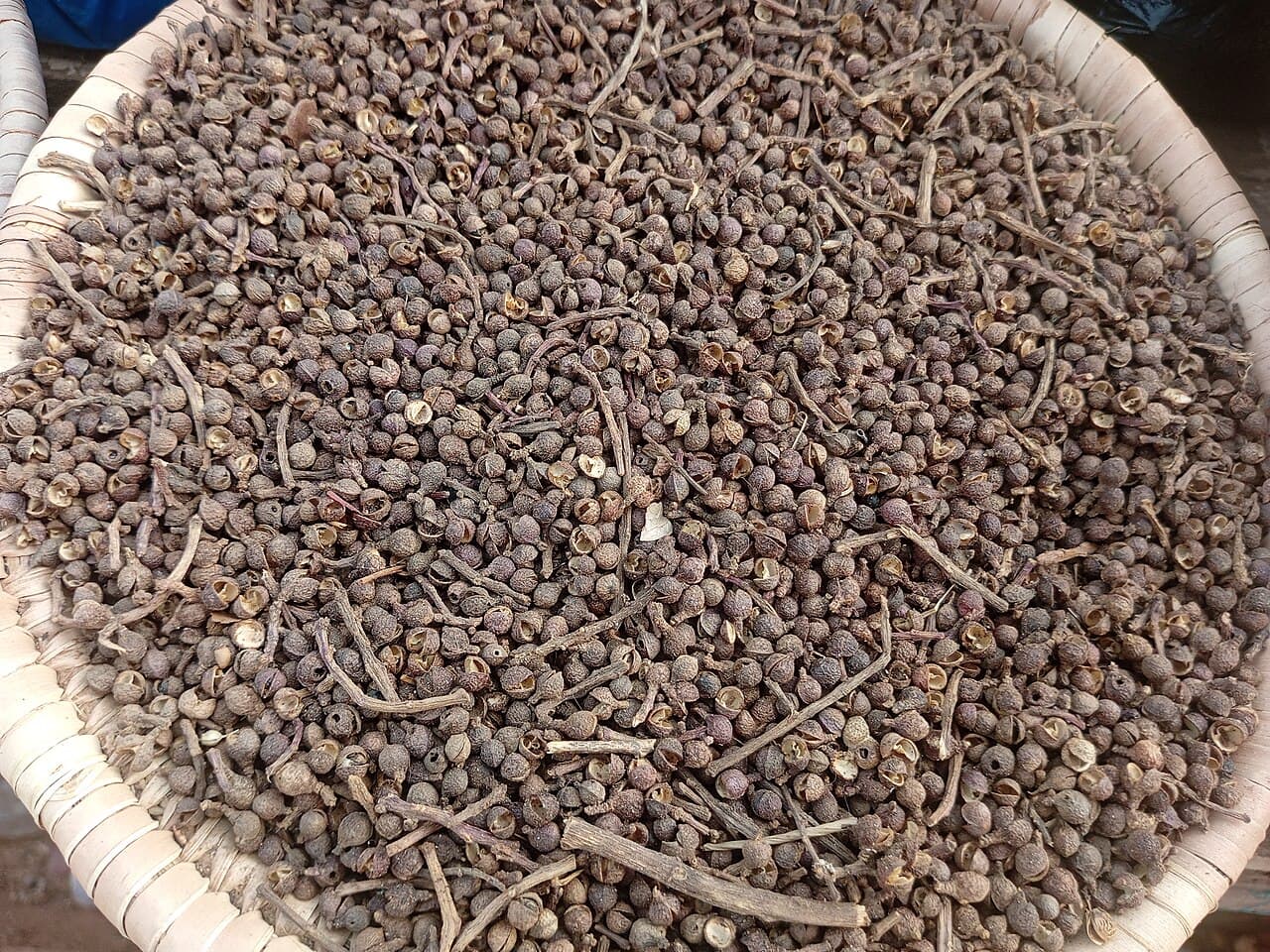
A perennial climbing vine native to West African rainforests, closely related to true black pepper. Both the leaves and the peppery seeds are widely used across Nigeria to flavor soups and stews (uziza soup, pepper soup), alongside a long history of traditional medicinal use.
- Categories
- Spice, Medicinal
- Found in
- West, Central, East and Southern AfricaPOWO
- Data sources
- NMPPDB, Dr. Duke's, other literature
Local names
Known in 4 languages
Say it in
Yoruba · West Africa
Iyere
also Ata-iyere
West Africa
Spot a wrong name, or know another one?Tell us here ↗
Traditional & Common Uses
Important medical disclaimer
The information below is for educational reference only. It does not constitute medical advice. Always consult a qualified healthcare provider.
- Nigeria
Leaf infusions used in Nigeria to treat stomachaches and constipation.
[1] Mgbeahuruike, E.E., Yrjönen, T., Vuorela, H., & Holm, Y. (2019). South African Journal of Botany, 112, 54–69.
- Ghana
Fruit decoctions used in Ghana to manage arthritis.
[2] Akinloye, O., Somade, O.T., & Oyewopo, A.O. (2020). Journal of Ethnopharmacology, 258, 112927.
- Cameroon
Seeds used in Cameroon to treat infections, including skin and fungal infections.
[3] Mgbeahuruike, E.E., Fyhrquist, P., Vuorela, H., Julkunen-Tiitto, R., & Holm, Y. (2017). Journal of Ethnopharmacology, 229, 157–166.
- Côte d'Ivoire
Leaf teas used in Côte d'Ivoire to help regulate blood sugar.
[4] Sulaimon, L.A. et al. (2020). Clinical Phytoscience, 6, 1–13.
- Nigeria
Seeds traditionally used in Nigeria to support fertility and postpartum recovery.
[5] Udoh et al. (1999), as cited via NMPPDB (nmppdb.com.ng)
- Benin
Fruit extracts traditionally used in Benin for seizures; essential oils shown to protect against induced convulsions in animal studies.
[6] Ngo Bum, E. et al. (2009). Epilepsy & Behavior, 15(4), 434–440.
- Ghana
Used in Burkina Faso and Ghana to stop bleeding.
[7] Ayensu, E.S. (1978). Medicinal Plants of West Africa. Reference Publications, Inc. — via Duke's Ethnobotanical Database
- Burkina Faso
Used in Burkina Faso as an aphrodisiac.
[7] Ayensu, E.S. (1978). Medicinal Plants of West Africa. Reference Publications, Inc. — via Duke's Ethnobotanical Database
- Congo
Used in DR Congo for coughs, bronchitis and intestinal complaints, sometimes given as an enema.
[7] Ayensu, E.S. (1978). Medicinal Plants of West Africa. Reference Publications, Inc. — via Duke's Ethnobotanical Database
- Ghana
Used in Ghana for back pain and to aid conception.
[7] Ayensu, E.S. (1978). Medicinal Plants of West Africa. Reference Publications, Inc. — via Duke's Ethnobotanical Database
Known Phytochemicals
Cautions & Contraindications
- highSignificant risk documented in literature
- lowMinimal risk under normal conditions
- high
Has oxytocic (uterine-stimulating) properties; contraindicated during pregnancy.
[11] Williams, F.E., Obianwu, H., Adedeji, O.S., & Oyewepo, A.O. (2013). Biokemistri, 25(2), 92–95.
- low
Generally safe in typical culinary amounts; excessive intake (above roughly 1 g/kg) may cause gastrointestinal irritation.
[11] Williams, F.E., Obianwu, H., Adedeji, O.S., & Oyewepo, A.O. (2013). Biokemistri, 25(2), 92–95.
Sources & Citations
- 1Mgbeahuruike, E.E., Yrjönen, T., Vuorela, H., & Holm, Y. (2019). South African Journal of Botany, 112, 54–69.
- 2Akinloye, O., Somade, O.T., & Oyewopo, A.O. (2020). Journal of Ethnopharmacology, 258, 112927.
- 3Mgbeahuruike, E.E., Fyhrquist, P., Vuorela, H., Julkunen-Tiitto, R., & Holm, Y. (2017). Journal of Ethnopharmacology, 229, 157–166.
- 4Sulaimon, L.A. et al. (2020). Clinical Phytoscience, 6, 1–13.
- 5Udoh et al. (1999), as cited via NMPPDB (nmppdb.com.ng)
- 6Ngo Bum, E. et al. (2009). Epilepsy & Behavior, 15(4), 434–440.
- 7Ayensu, E.S. (1978). Medicinal Plants of West Africa. Reference Publications, Inc. — via Duke's Ethnobotanical Database
- 8Mgbeahuruike, E.E. et al. (2017). Journal of Ethnopharmacology, 229, 157–166.
- 9Oyemitan, I.A., Oladipo, O.T., & Akanmu, M.A. (2015). Journal of Ethnopharmacology, 166, 240–249.
- 10Oyemitan, I.A. et al. (2015). Journal of Ethnopharmacology, 166, 240–249.
- 11Williams, F.E., Obianwu, H., Adedeji, O.S., & Oyewepo, A.O. (2013). Biokemistri, 25(2), 92–95.
- 12Akan (Twi) Dictionary, akandictionary.com: Esoro wisa (Guinea cubeb, Piper guineense)